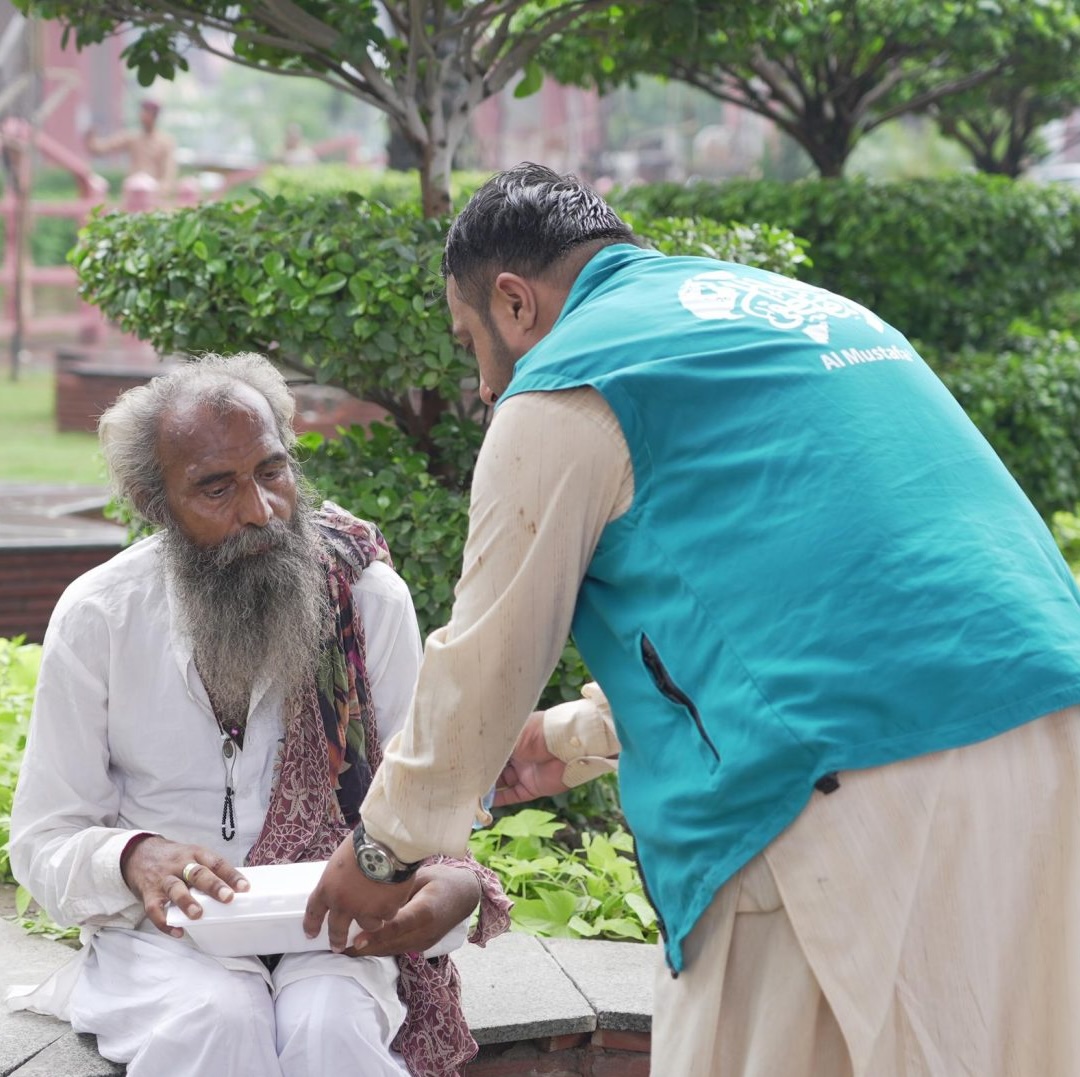
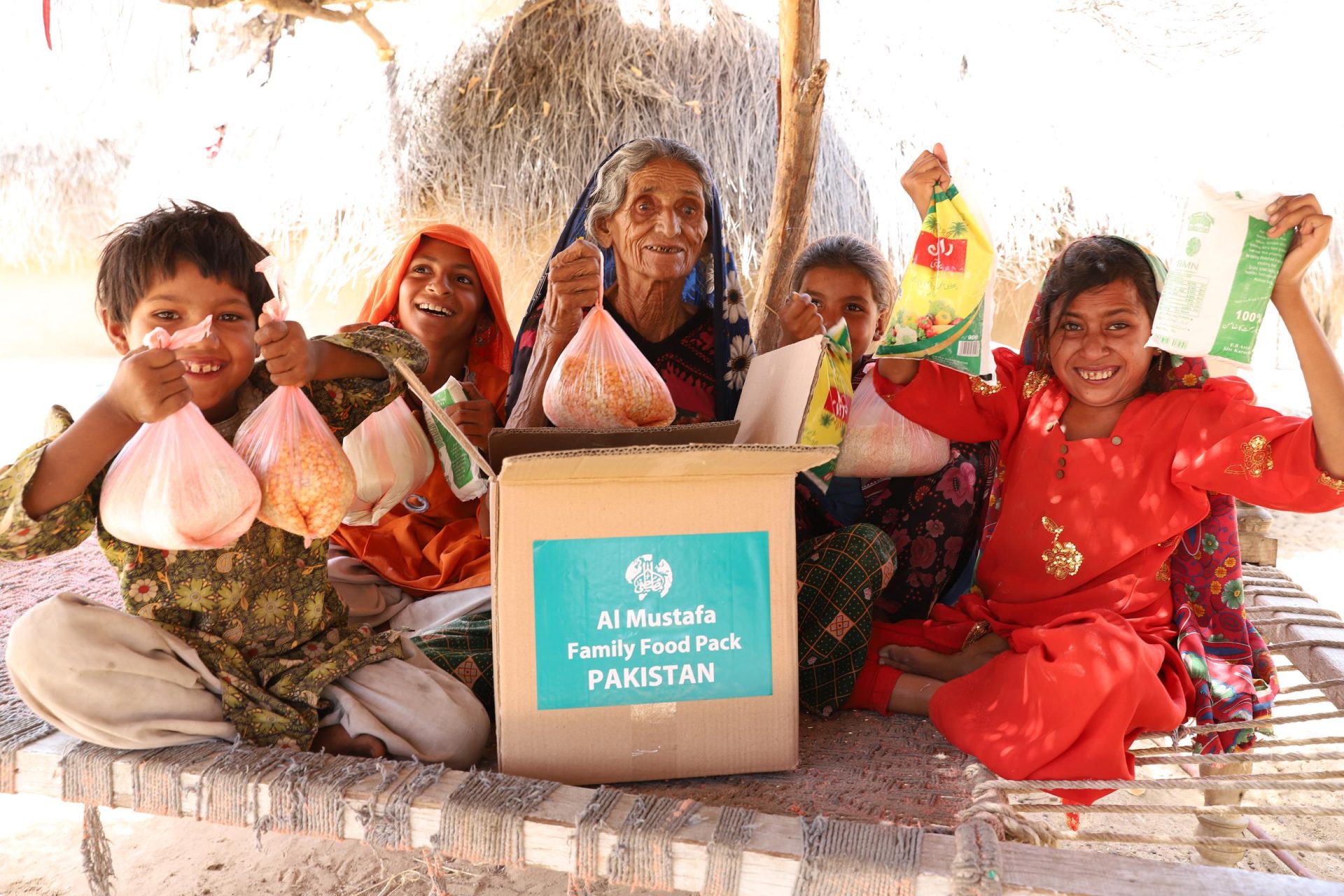
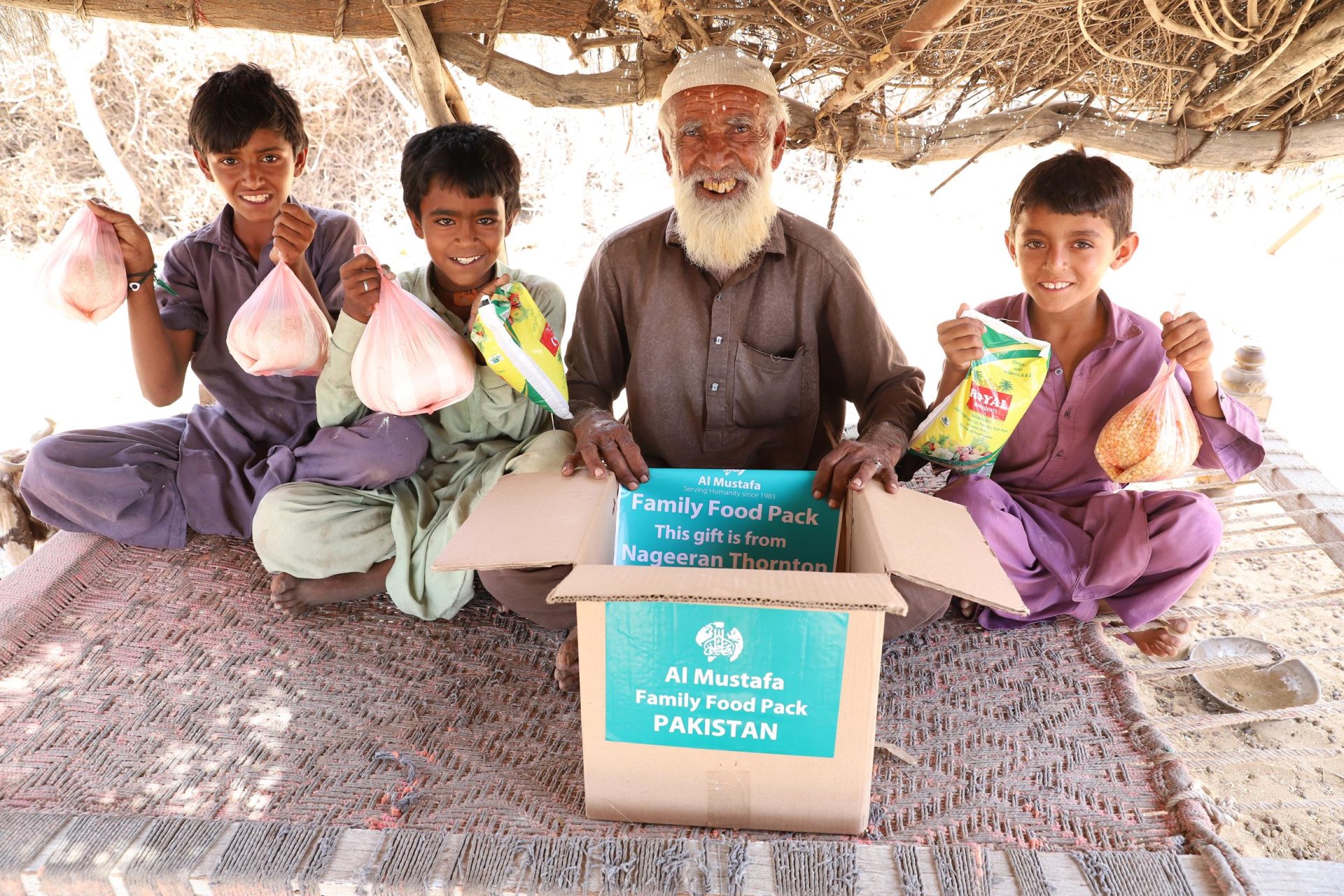
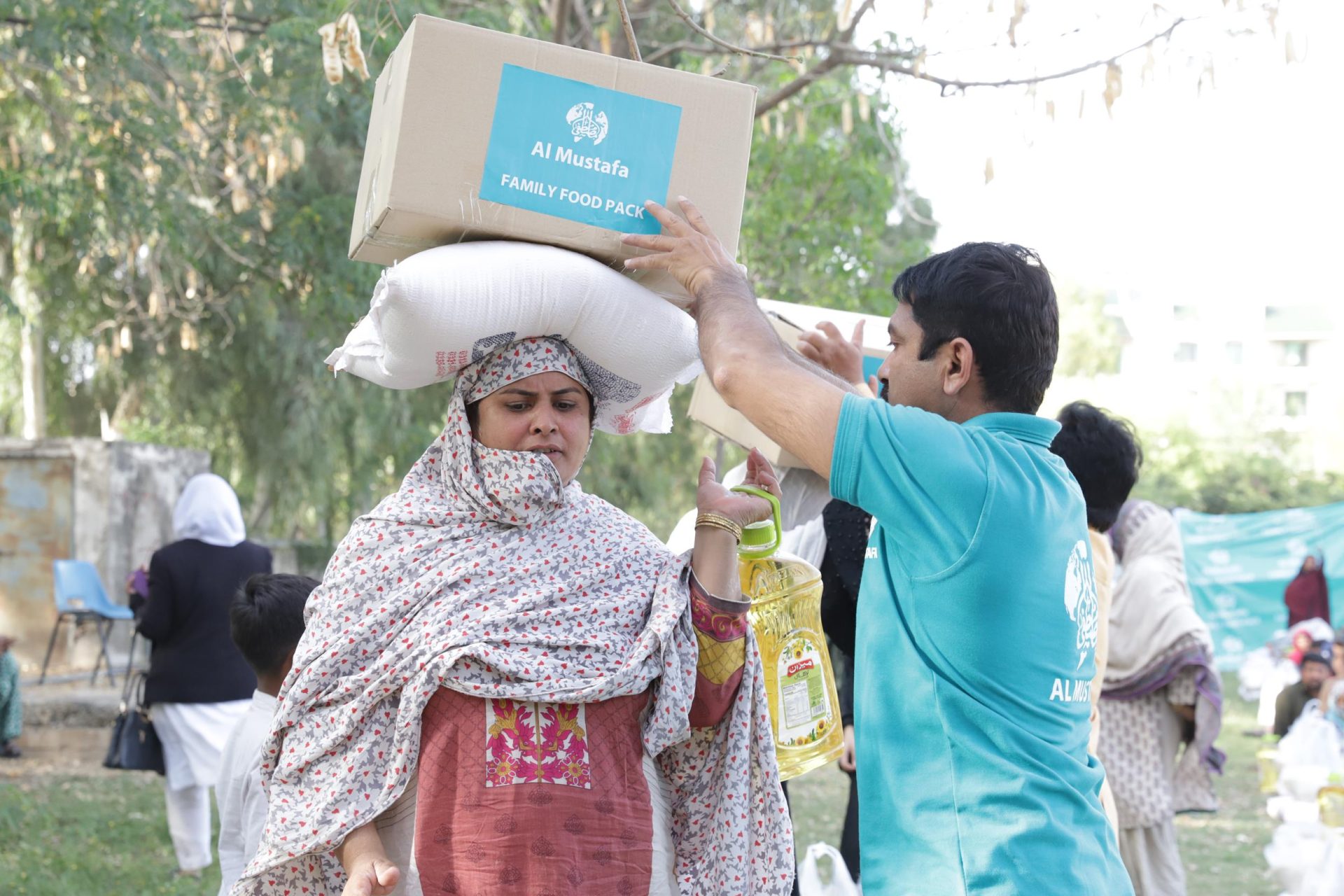
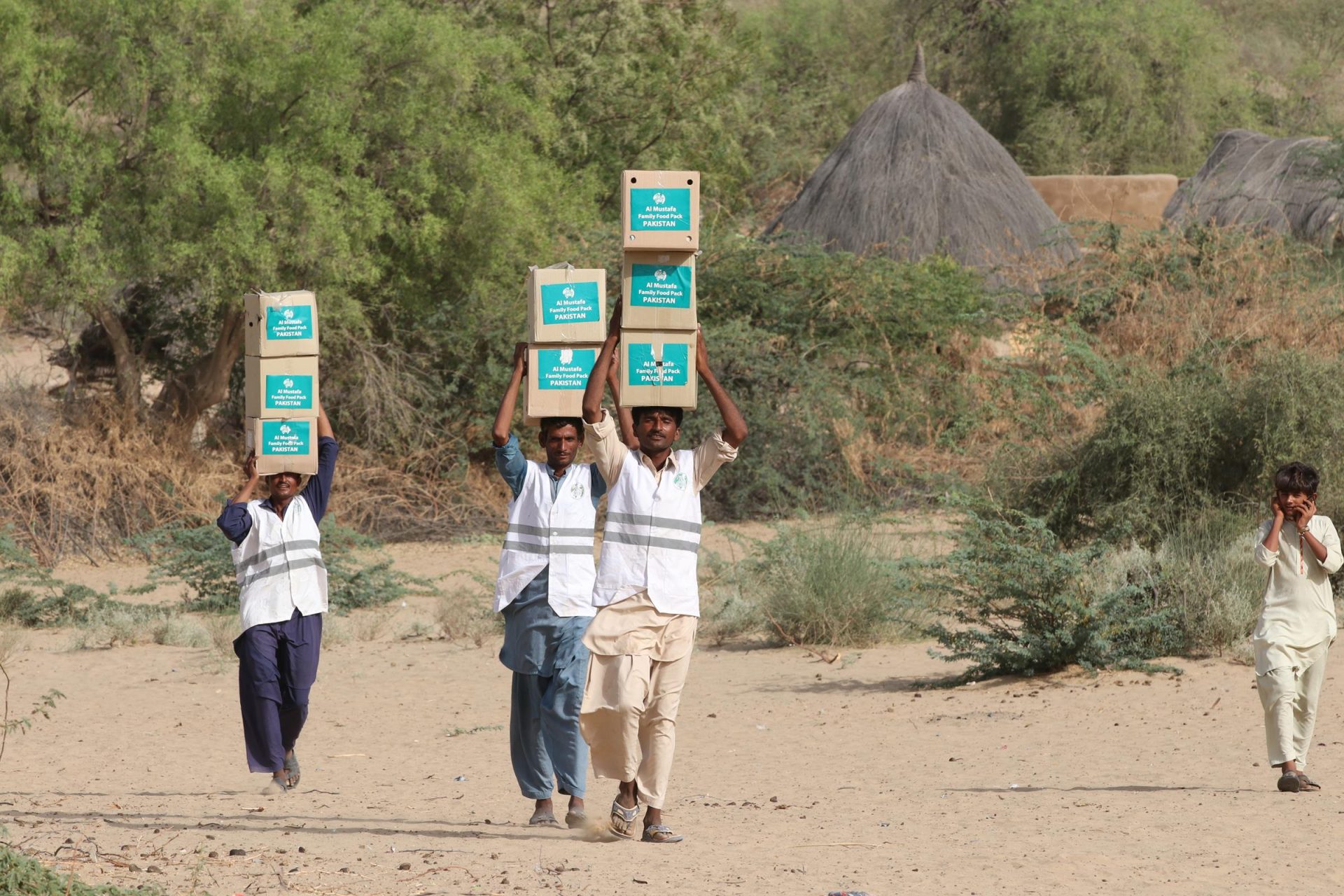
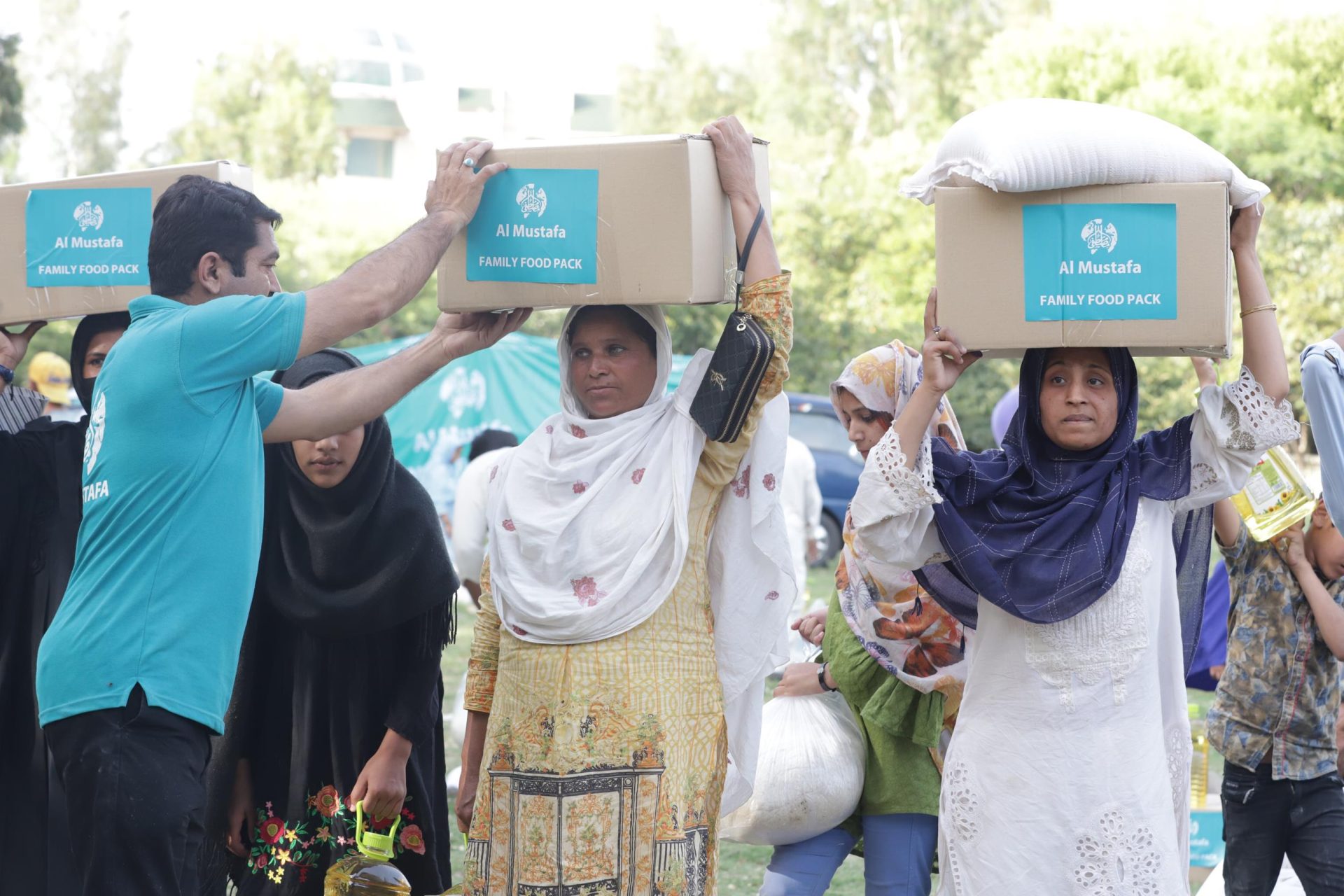
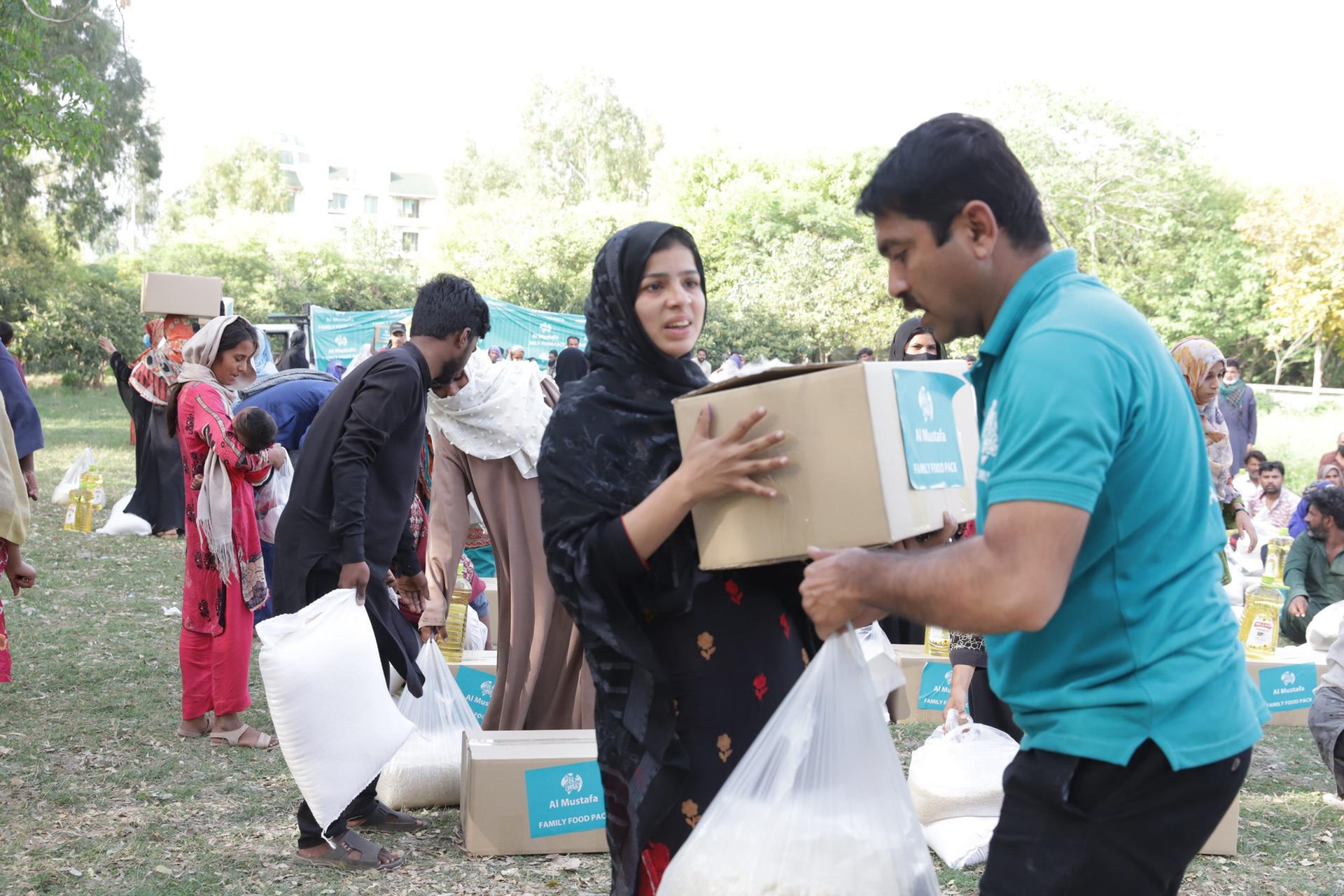
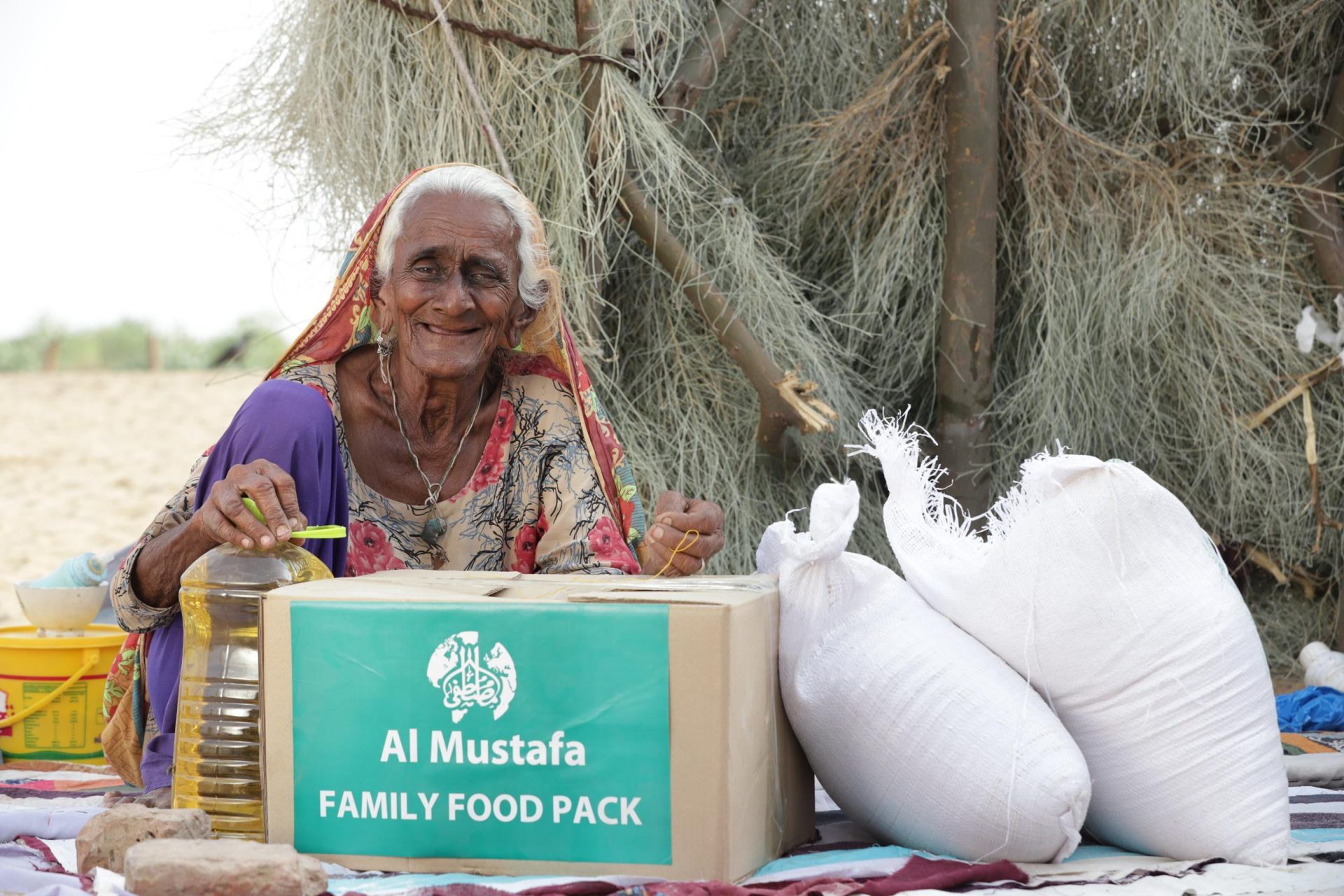
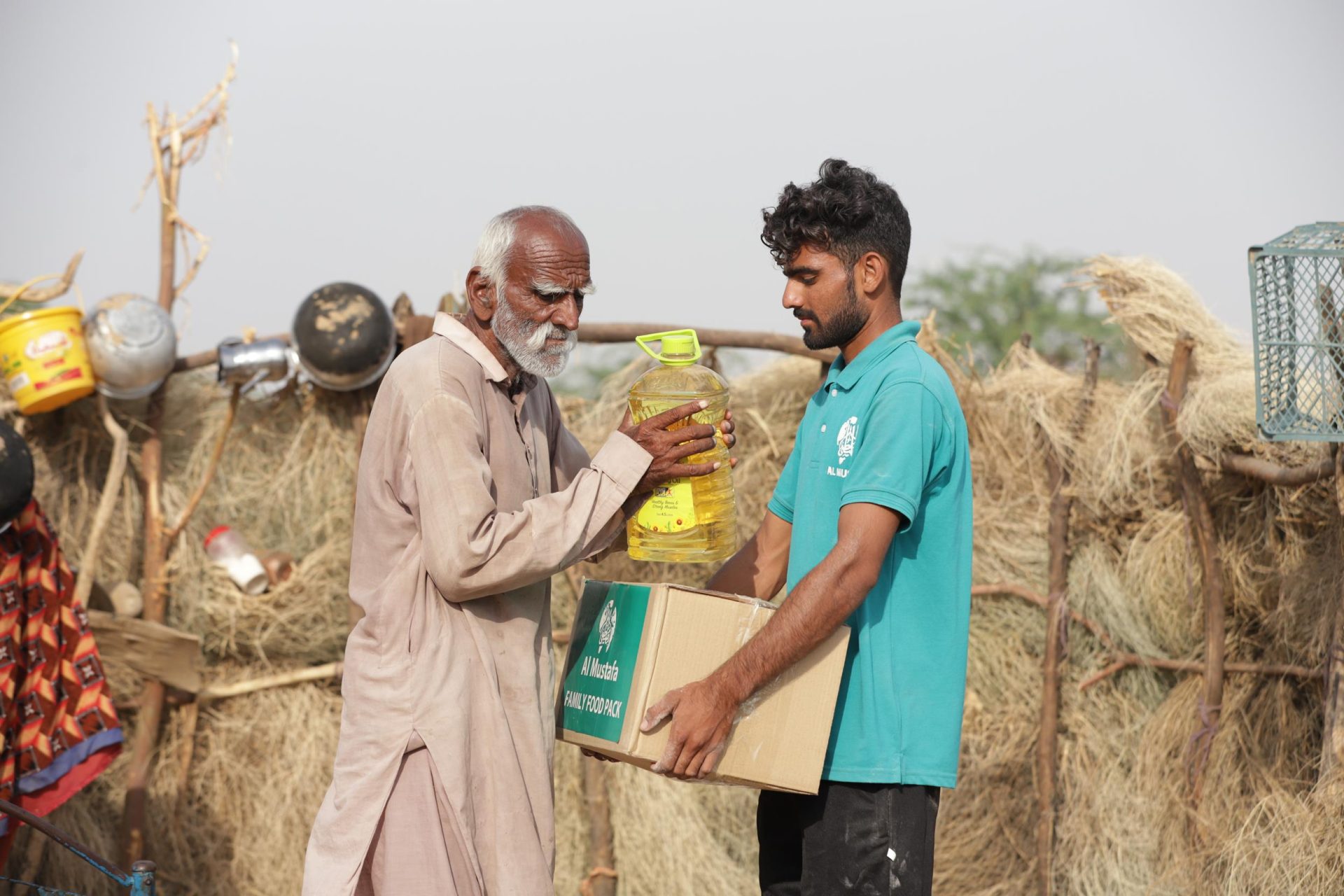
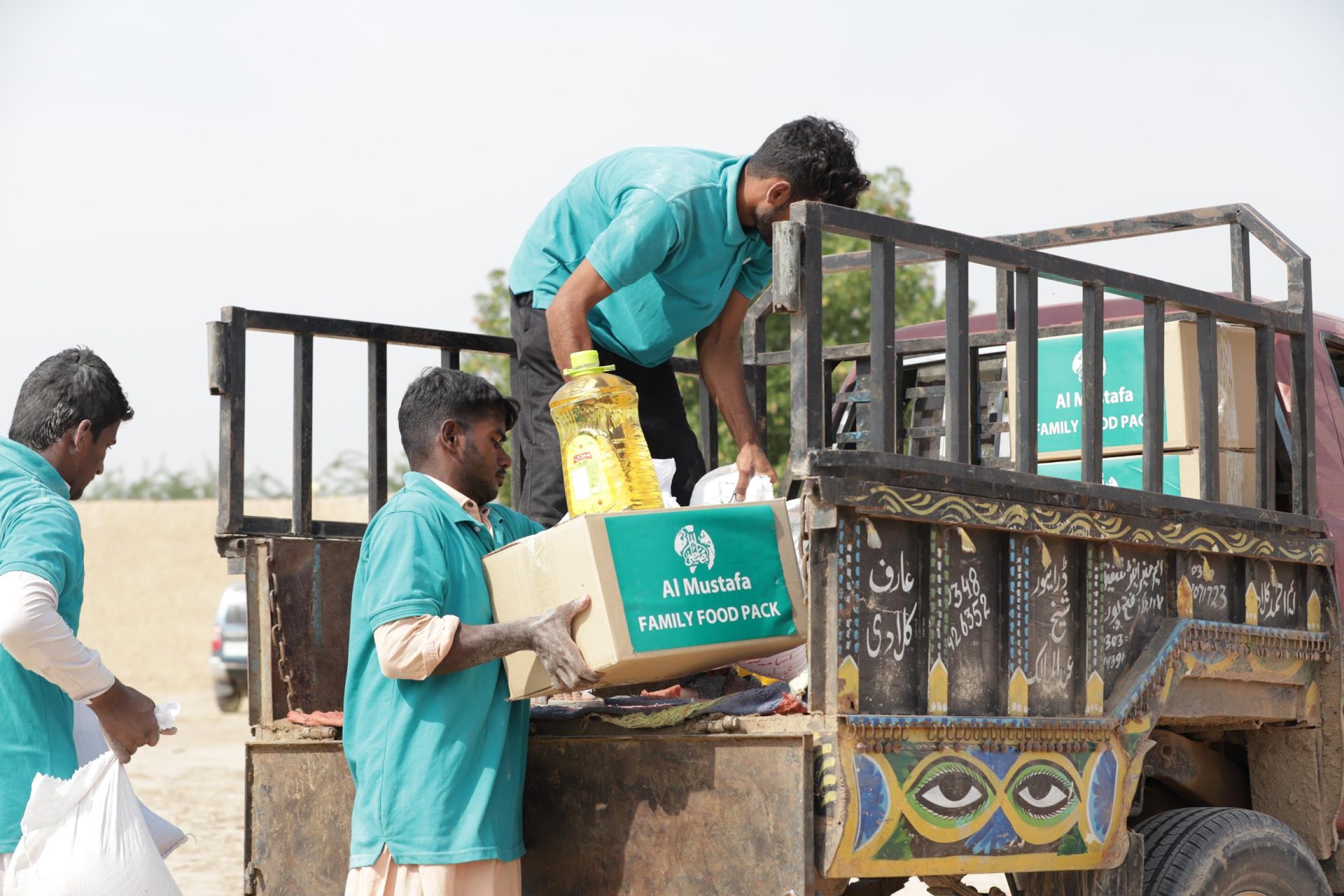
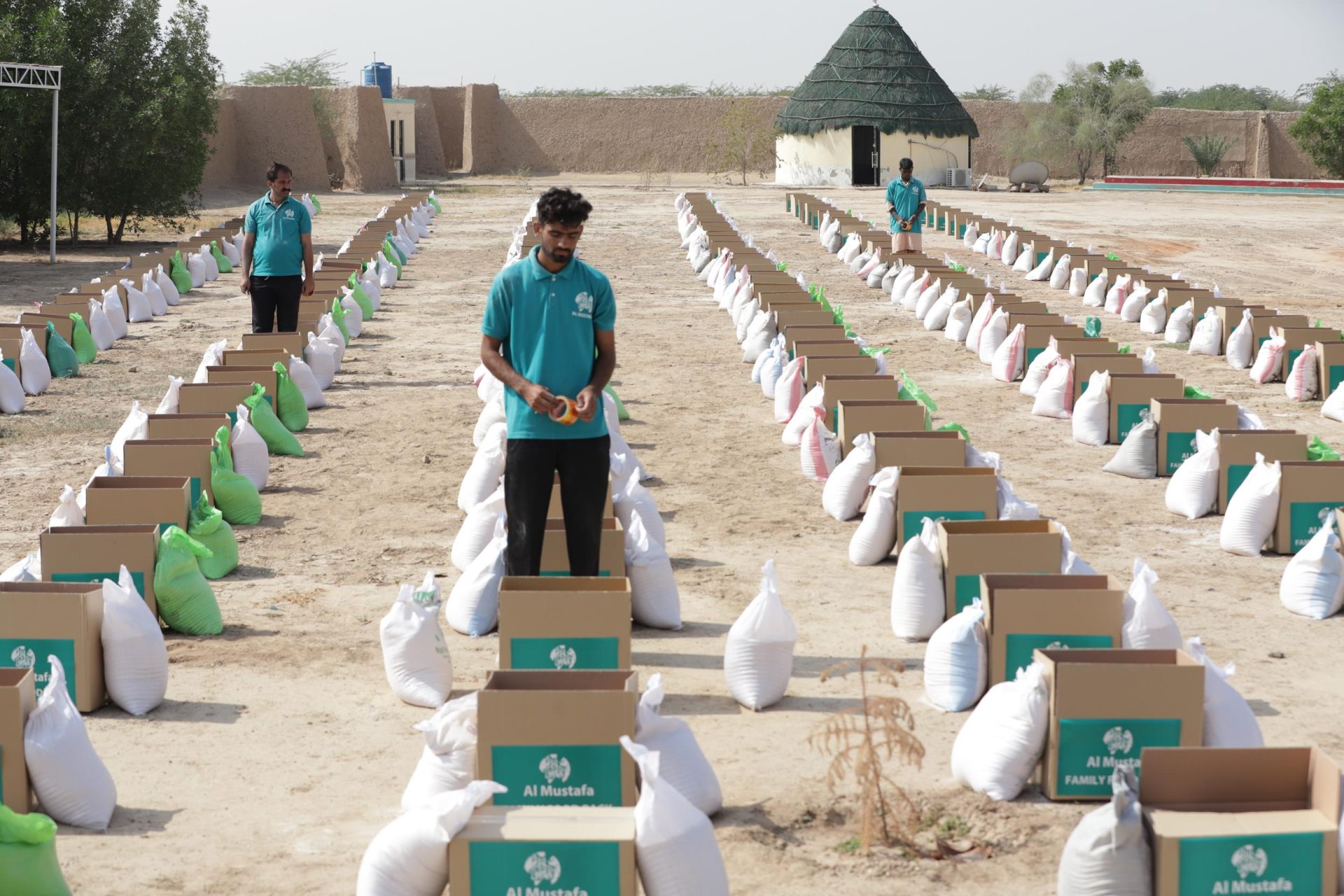
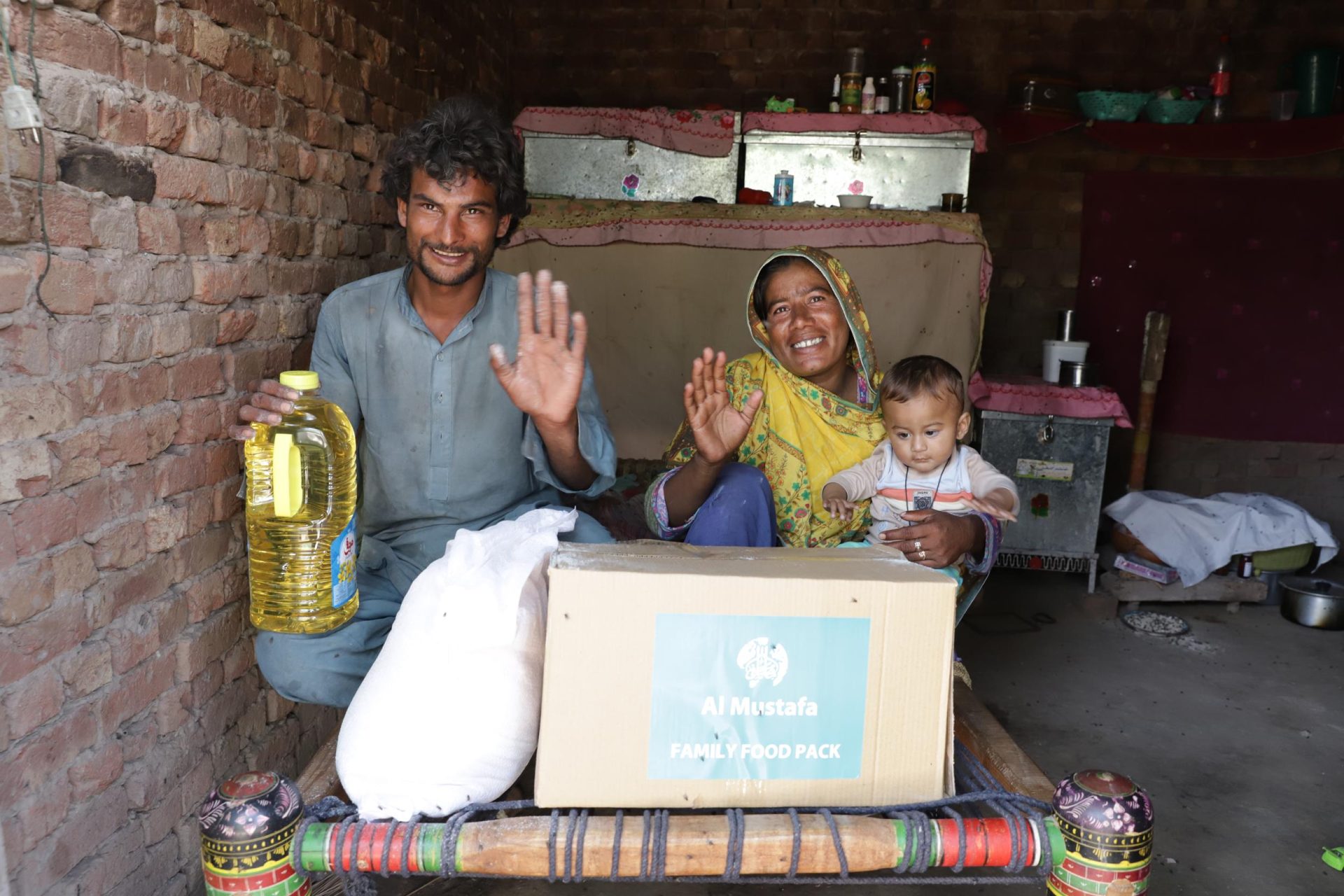
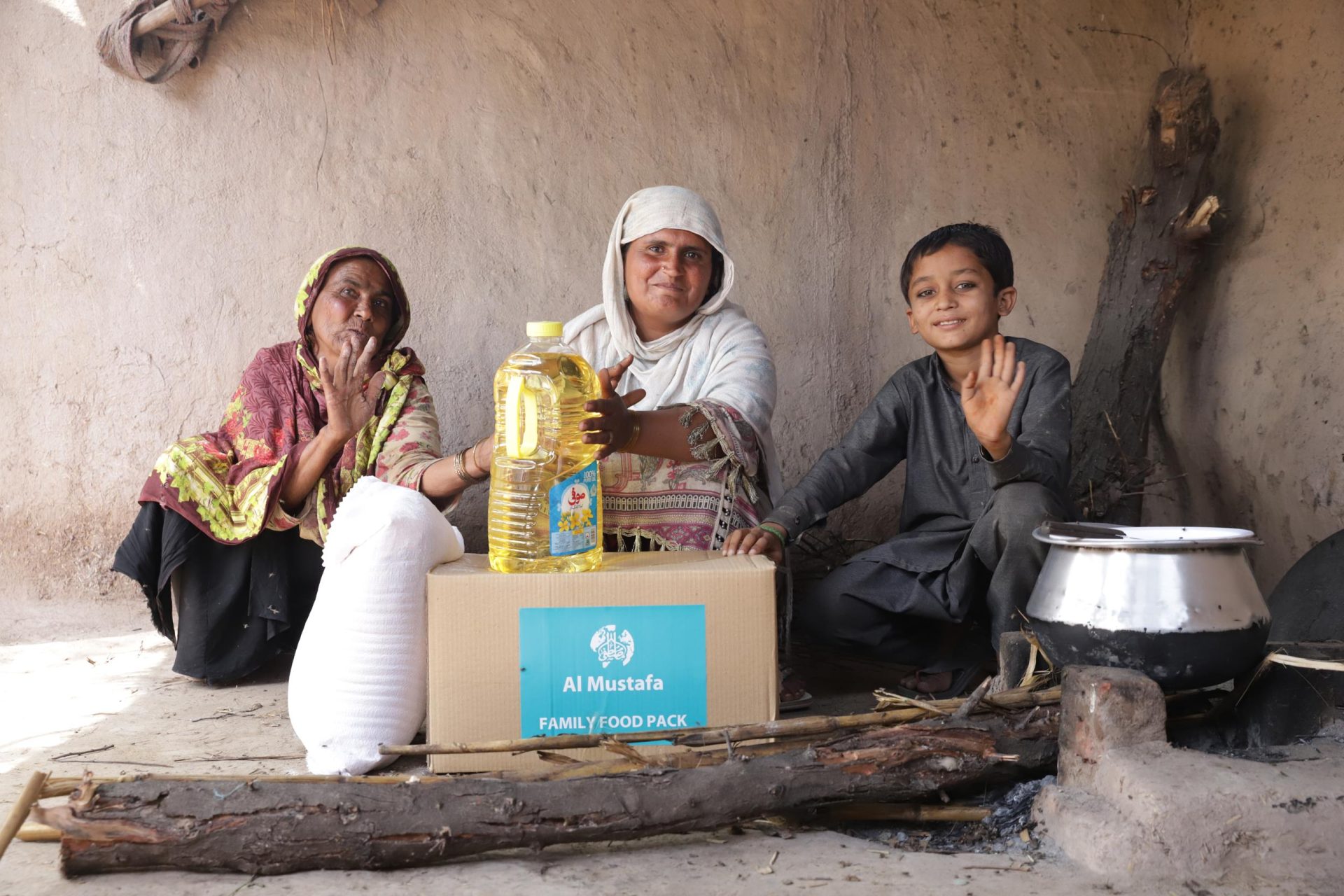
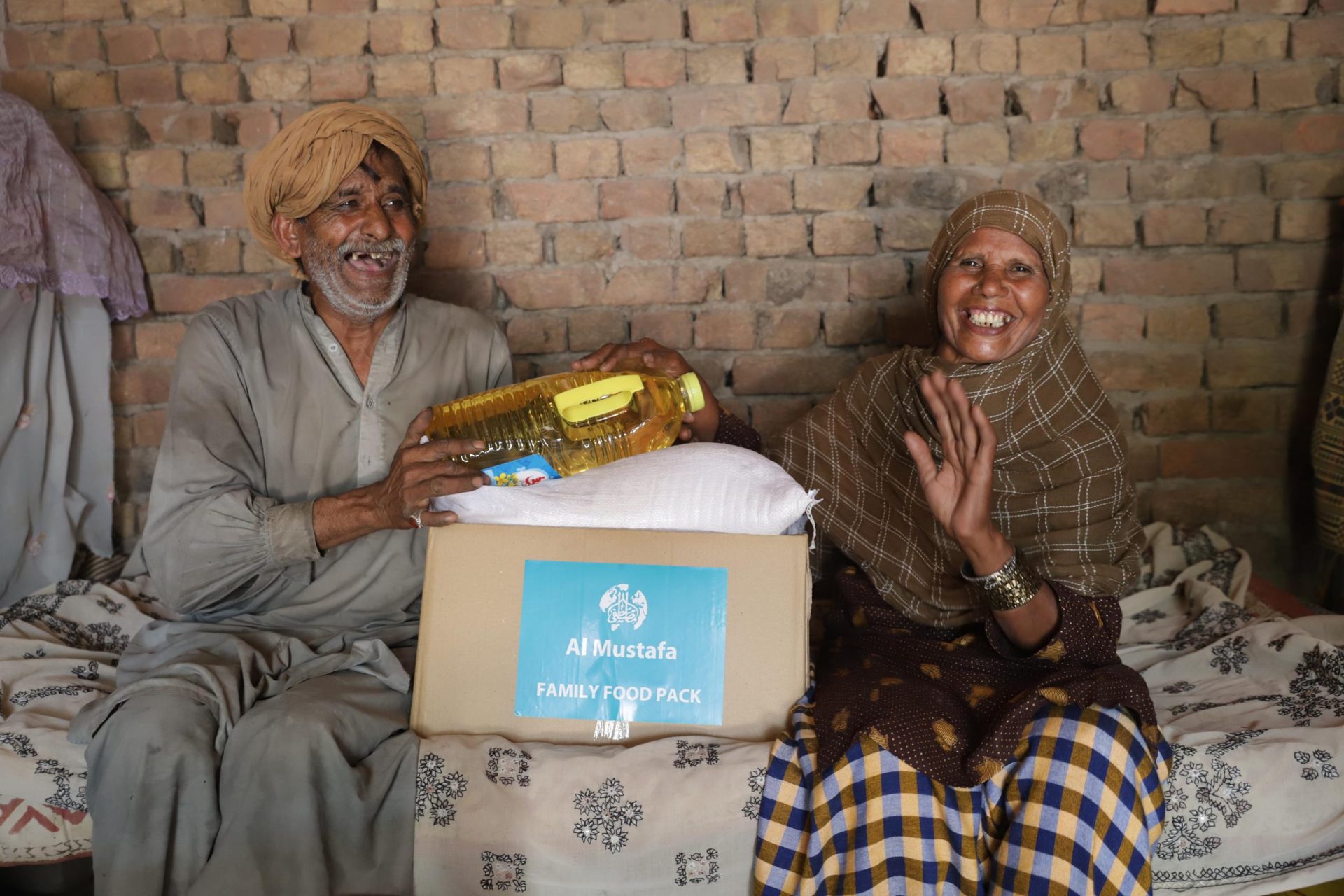
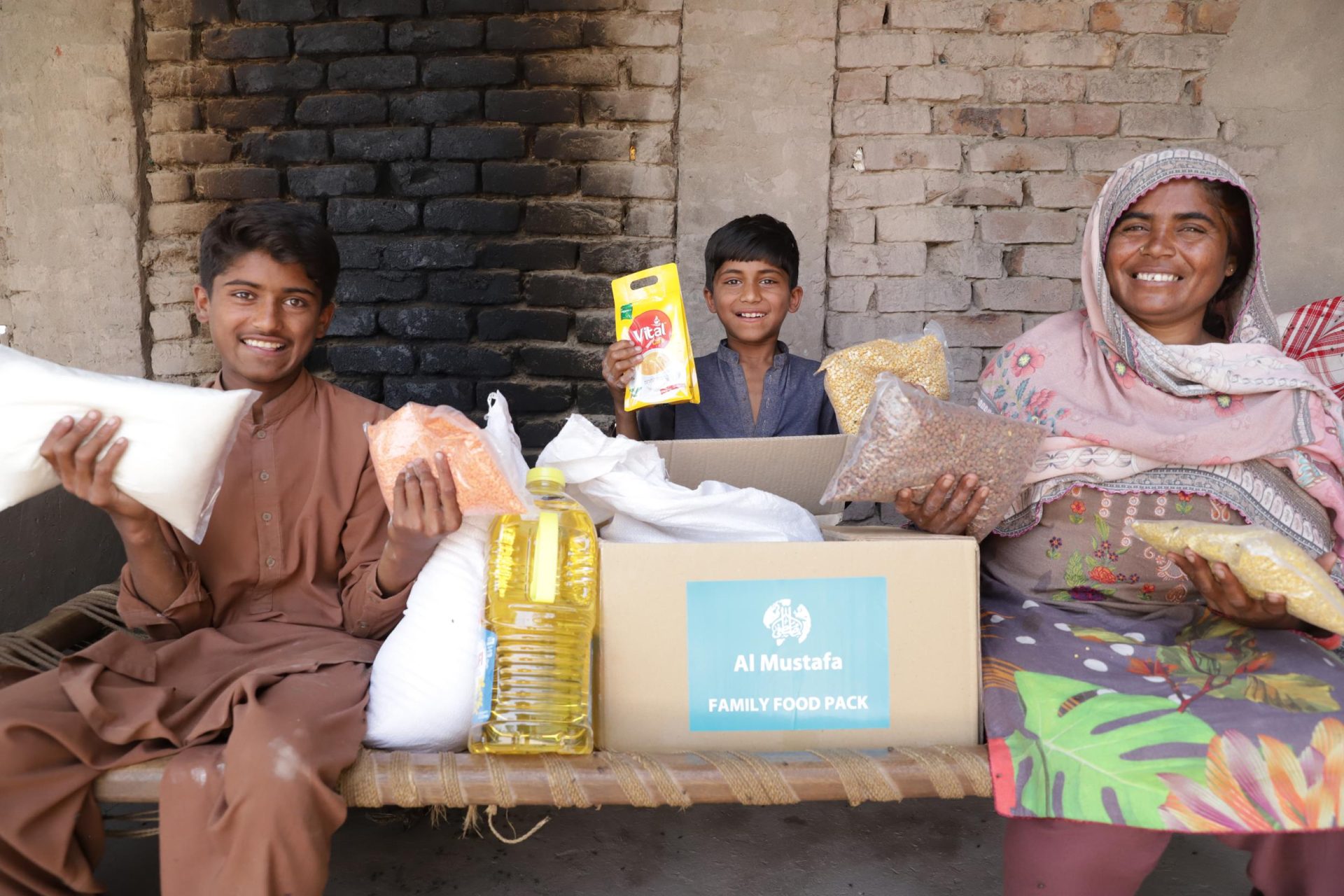
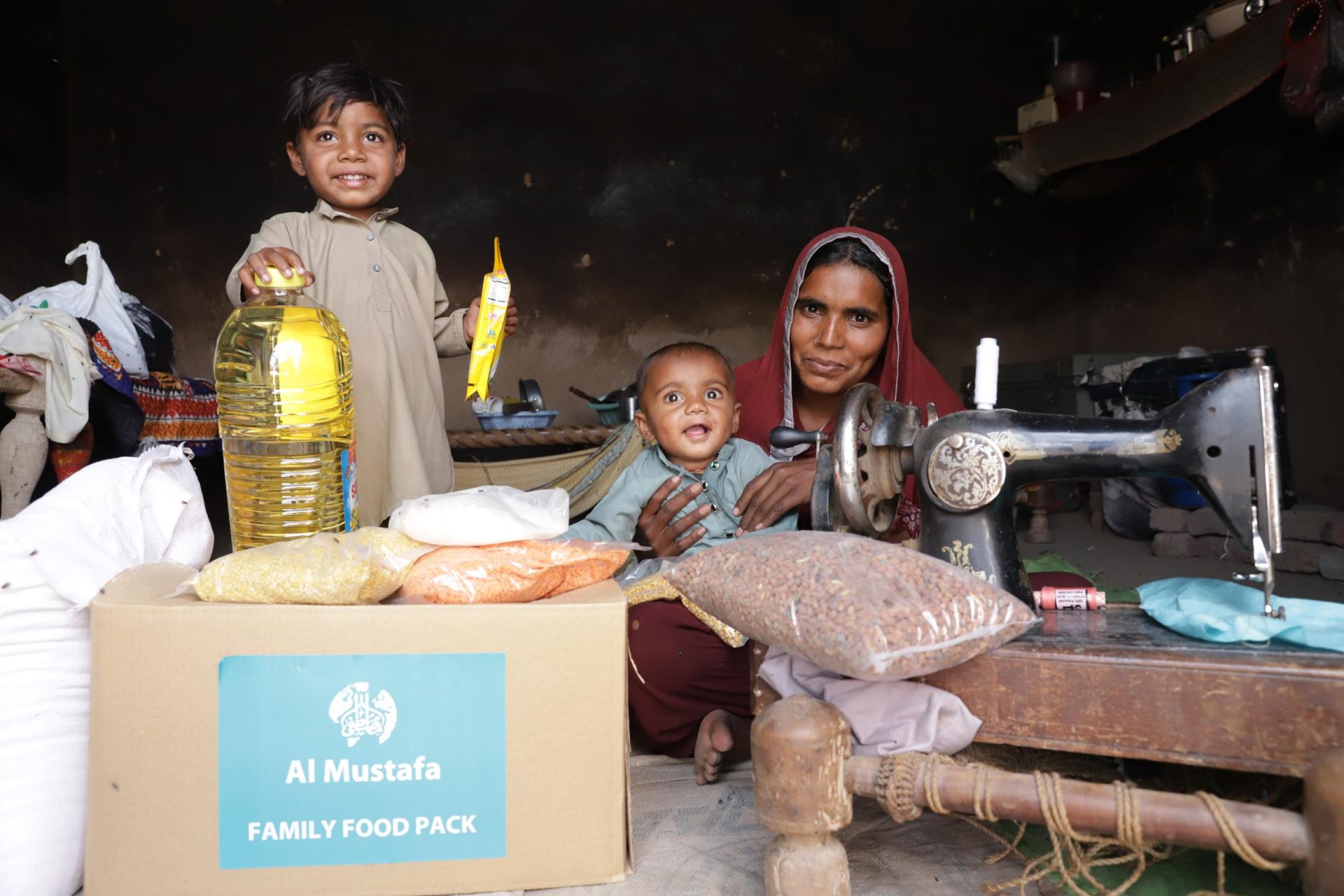
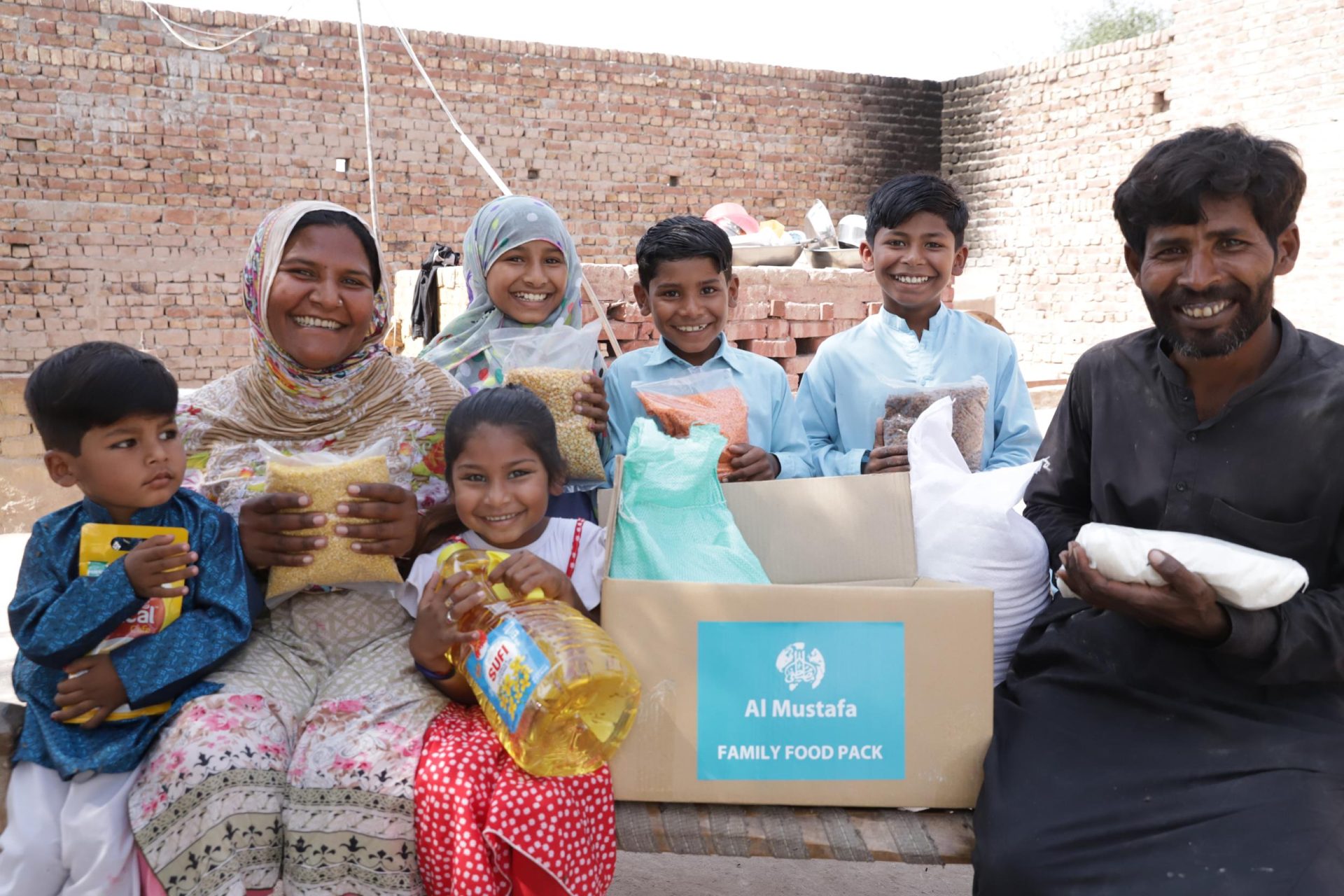
Al Mustafa Canada does not take a single Dollar from your Zakat donations - it pays 100% to the deserving people.
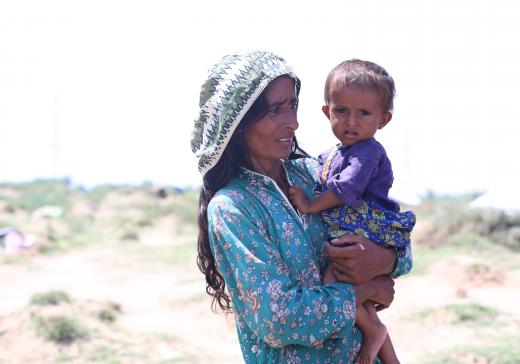
Zakat is a beautiful act of worship, and a way we are connected to those in need, while having our own wealth cleansed. Giving Zakat allows us to stand with those who have endured so much hardship. For countless families around the world, your Zakat is what carries them through Ramadan and beyond.
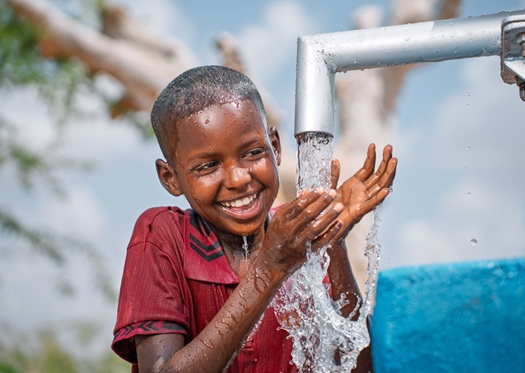
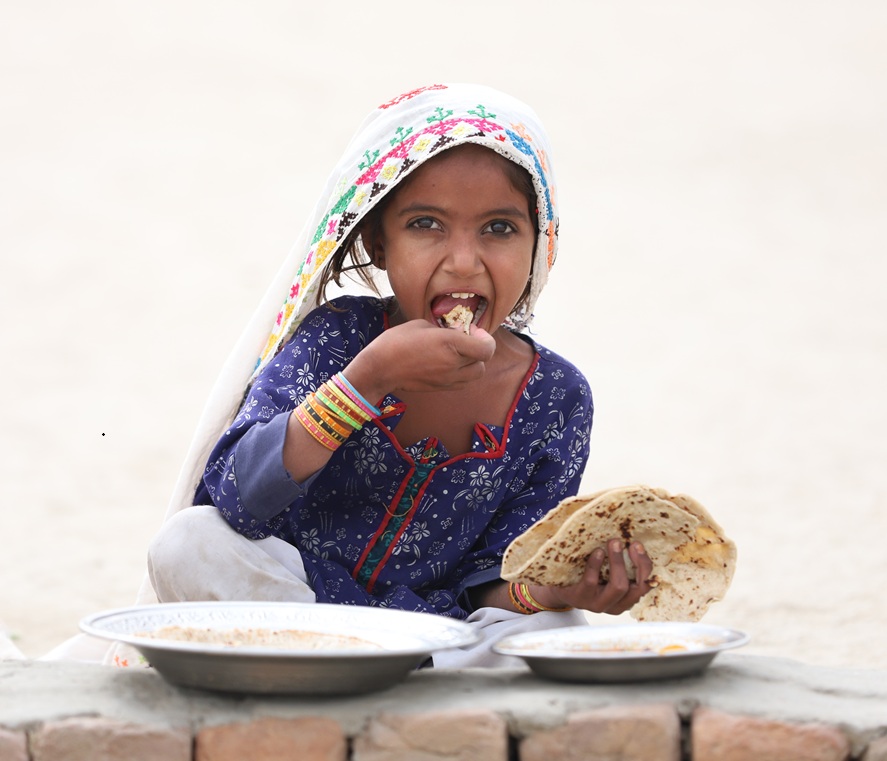
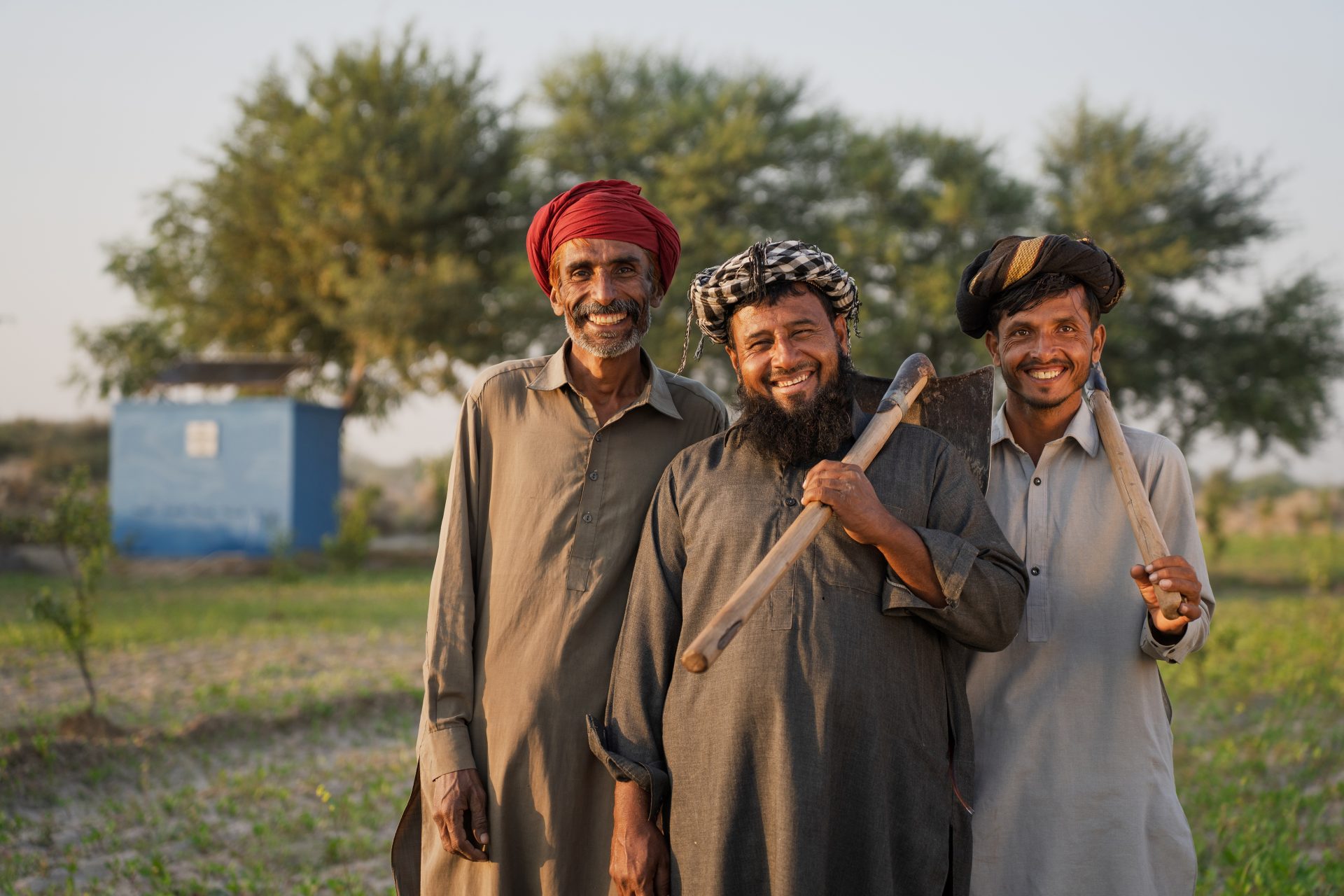
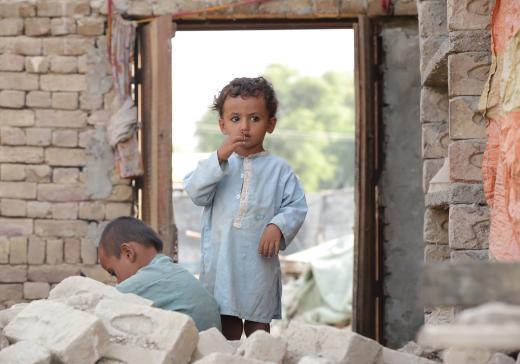
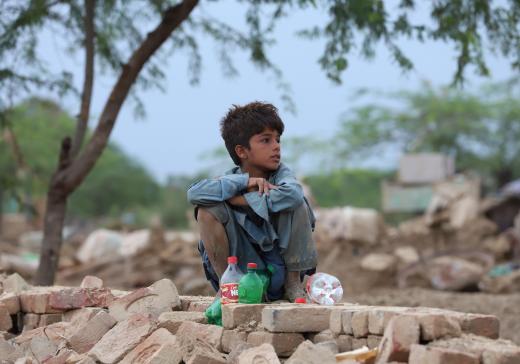
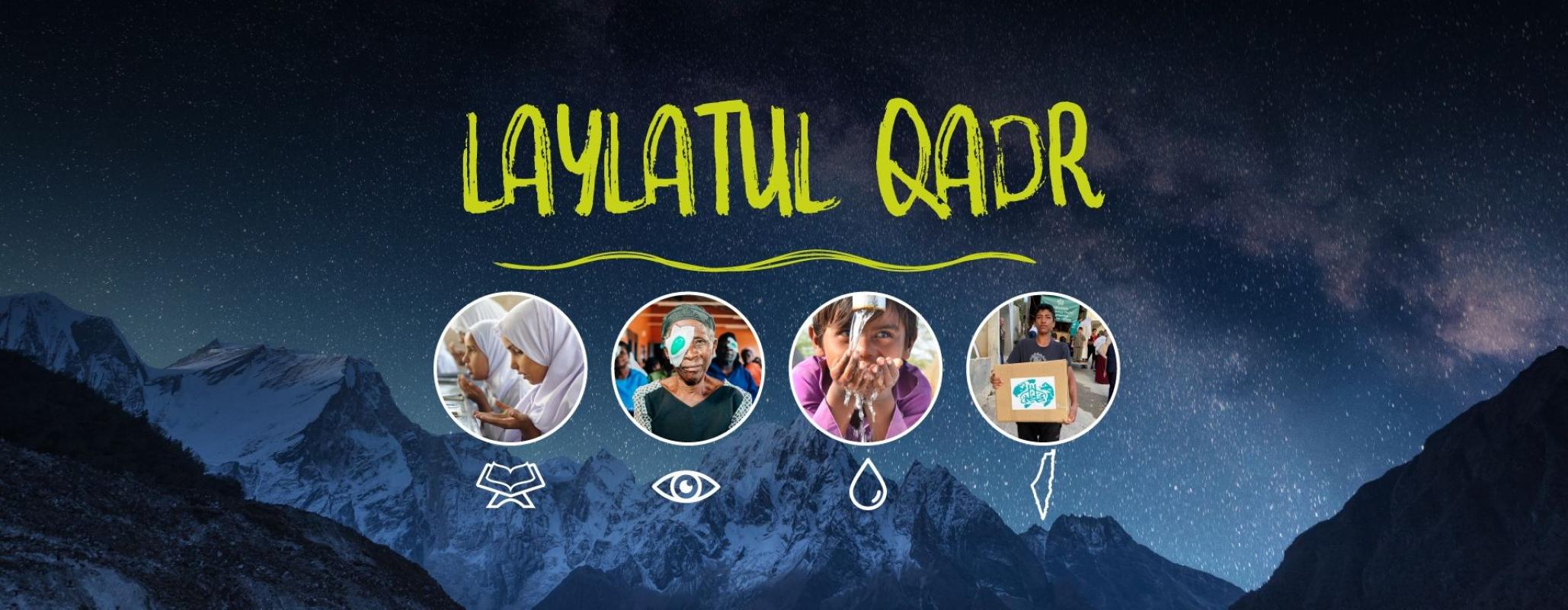
This Ramadan, your Zakat can be a source of relief, hope, nourishment and survival for those in need. You could help families and children in Gaza who have lost everything in the last two years. You can provide clean water, empower orphans and support vulnerable families create their own livelihoods.
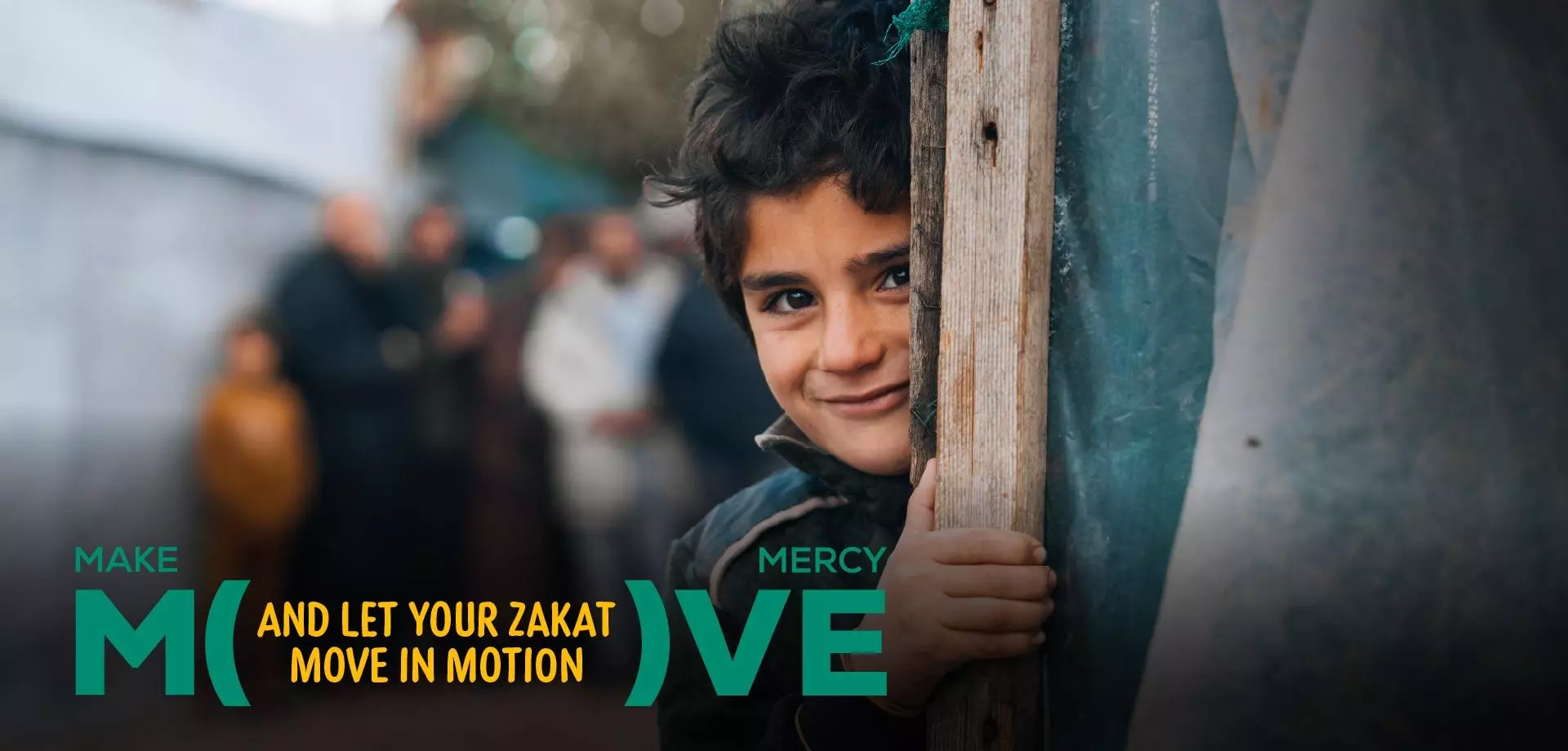
Zakat is not a simple donation, but it is change set in motion. It is mercy moving through your wealth, lifting burdens and opening doors to hope. This Ramadan, your Zakat does not remain with you; it travels where it is needed most, bringing healing, sustenance, and light.
For over 40 years, the Al Mustafa Global family has been serving vulnerable communities across the world, working to break cycles of poverty and serve those in need.
Zakat is distributed strictly according to Shariah guidelines, ensuring it is given by every adult Muslim who owns wealth above a certain amount (the nisab threshold).
Processes are reviewed and approved by qualified Islamic scholars
Every dollar of Zakat reaches eligible recipients directly
Zakat funds are not used for administrative or operational matters
Distribution is transparent, timely, and reliably
At Al Mustafa Canada, our work is driven by responsibility and faith. We strive to ensure that your Zakat is delivered and distributed exactly as Allah commands - with honesty, transparency, dignity and compassion, in line with the Qur’an and Sunnah. We keep costs low, but quality of our programmes high, helping to ensure that your Zakat is delivered to those who deserve it.
Zakat in Islam
The foundation of the Islamic faith is five core principles, which all Muslims must adhere to and strive to achieve. Zakat is the third pillar of Islam. It is a compulsory act of worship known as Zakat al-Mal. The Qur’an outlines eight groups of eligible recipients for Zakat, ensuring that this obligation is distributed justly among those most in need. In Islam, we hold that those who are eligible to receive Zakat are the rightful recipients, and that Zakat is their right.
The Arabic word Zakat itself carries deep meaning. It comes from roots that signify purification and growth. When you give Zakat:
Your wealth is cleansed and protected
Your heart is softened, moving closer to Allah (swt) and connecting with the ummah
The inequality and poverty in our society is reduced or contained.
Zakat is not an act of kindness, but it is a profound act of worship. Giving Zakat can help protect and cleanse your wealth, as well as purify your heart. It is a reminder of our duty as Muslims, to connect with those less fortunate.
Zakat becomes due once your wealth has been held above the nisab threshold for one full lunar year. Many Muslims choose to pay it during Ramadan for extra reward, though it can be paid at any time once due.
Yes. You can set up a monthly Zakat donation with Al Mustafa Canada, spreading your obligation across the year rather than paying it as a single lump sum.
Yes, Al Mustafa Canada operates a strict 100% Zakat policy, meaning we do not take a single dollar from your Zakat donation -- 100% reaches those in need.
This is Zakat that must be paid on wealth that exceeds the nisab - the minimum threshold - and that has been held for one lunar year. Zakat is calculated at 2.5% of all savings and wealth, not including living expenses or ongoing costs.
It is based on savings and investments, including any gold or silver owned, and needs to be paid on a lunar basis. Zakat al-Mal is compulsory, and must be paid by all adult, sane Muslims whose wealth exceeds the Nisab. Children are exempt from paying Zakat, even if they have wealth or savings in their name.
Zakat al-Fitr
Zakat al-Fitr applies to everyone who can afford to provide one meal for those in need. It must be paid before the Eid prayer at the end of Ramadan and is distributed to eligible recipients during the days of Eid al-Fitr. It is a fixed amount and is considered a beautiful way to conclude Ramadan giving, thanks to Allah for the strength and sustenance granted throughout the month of fasting, while sharing its barakah with our less fortunate brothers and sisters around the world.
The payment of Zakat al-Fitr is based on the cost of a staple food such as rice, wheat, or dates - typically equivalent to 1–3 kilograms per person.
Scholar Verified
We take great care to make sure all of our Zakat guidance is accurate and trustworthy, and so ensure that all our content is reviewed by reputable Islamic scholars.
This page has been reviewed and approved by Rizwana Latif, a well-respected Islamic scholar and educator. Rizwana is a certified Aalimah, having studied at Tanzeem-ul-Madaris with a specialisation in Fiqh (Islamic jurisprudence). She also holds an LLB (Hons) in Shariah and Law from the International Islamic University.
She has more than ten years of experience teaching Arabic and Islamic Studies at college level, and is also an experienced public speaker. Rizwana has delivered talks across the UK and internationally, and has worked with Islamic TV channels such as QTV and Islam Channel, where her programmes are still broadcast today.
Outside of formal teaching, Rizwana works closely with local mosques and community groups, particularly around education and supporting women. She is known for explaining complex topics in a clear, practical way, and for her commitment to making Islamic knowledge accessible to the wider community.
How to calculate your zakat?
Many people make common mistakes while calculating Zakat, such as overlooking savings accounts or confusing Zakat with voluntary charity (Sadaqah). To avoid errors and ensure accuracy, use our Zakat Calculator for the year 2025–2026 and fulfil your obligation with confidence. Zakat is generally paid at 2.5% on eligible assets, including:
Cash and Savings
Gold and silver
Business assets and investments
Calculate your Zakat correctly and in accordance with Shariah principles.
In simple terms, Zakat becomes obligatory when a Muslim owns wealth that is above the Nisab threshold and that amount remains in their possession for one full lunar year. This wealth must also be extra, meaning it is beyond everyday living expenses such as housing, food, and essential bills.
If these conditions apply to you, then Zakat is not optional, it is due. Delaying Zakat without a valid reason means holding back a right that Allah has given to those in need. Distributing zakat on time ensures your wealth is purified and your obligation is fulfilled correctly.
Zakat Achievements
With your zakat donations, we can fund amazing projects and achieve incredible results.
Each year, we look to achieve more. This means we need more and more donations.