Step-by-Step Hajj Guide
Entering Ihram
How to perform Hajj step by step starts here. Ihram is both a physical state and a spiritual one. Before reaching the Miqat boundary, you bathe, put on Ihram garments (two unstitched white cloths for men; modest clothes for women), and make niyyah. Certain actions become prohibited: cutting hair or nails, applying perfume, covering the head (men), marital relations.
Ihram rules for Hajj are strict. Restrictions strip away markers of wealth and status. Talbiyah begins and should be recited frequently throughout the journey. These rituals of purification set the tone.
Tawaf al-Qudum
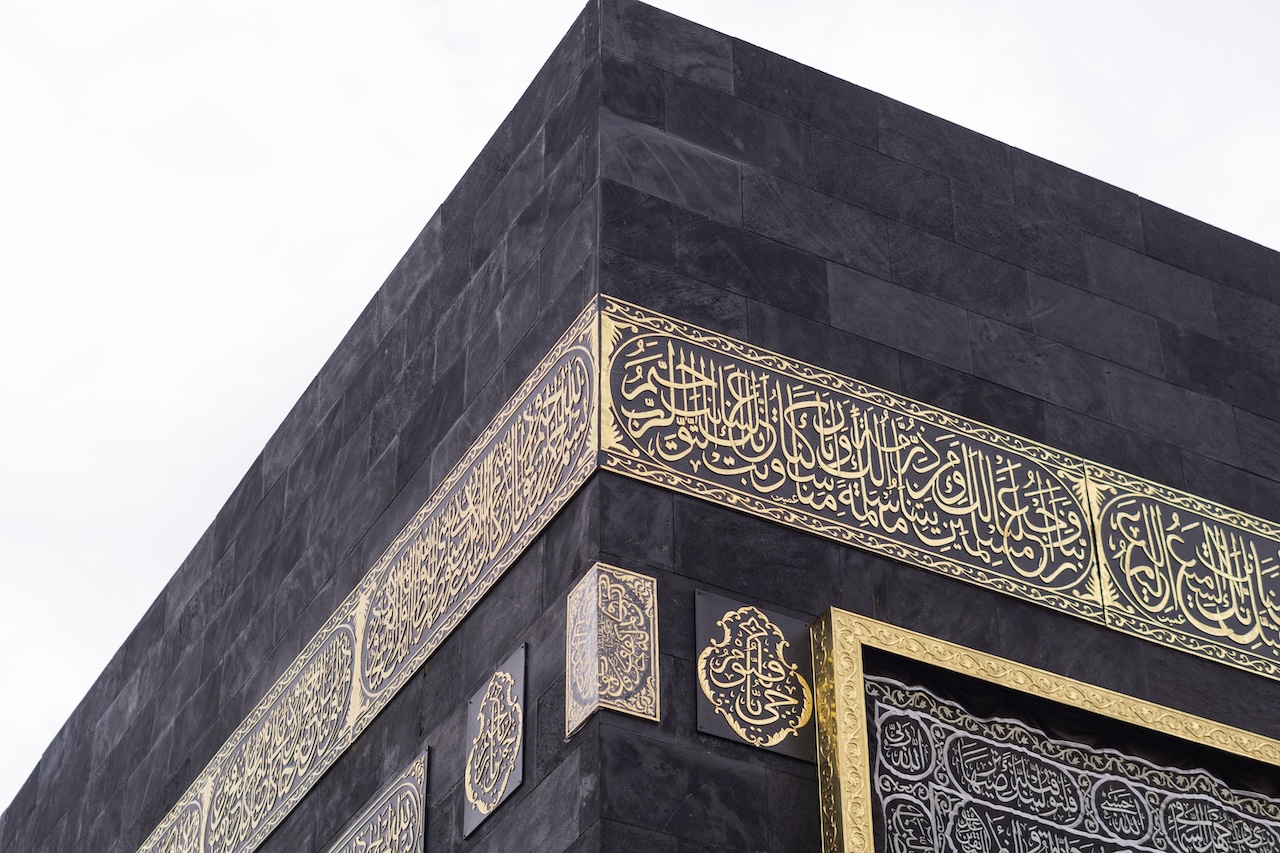
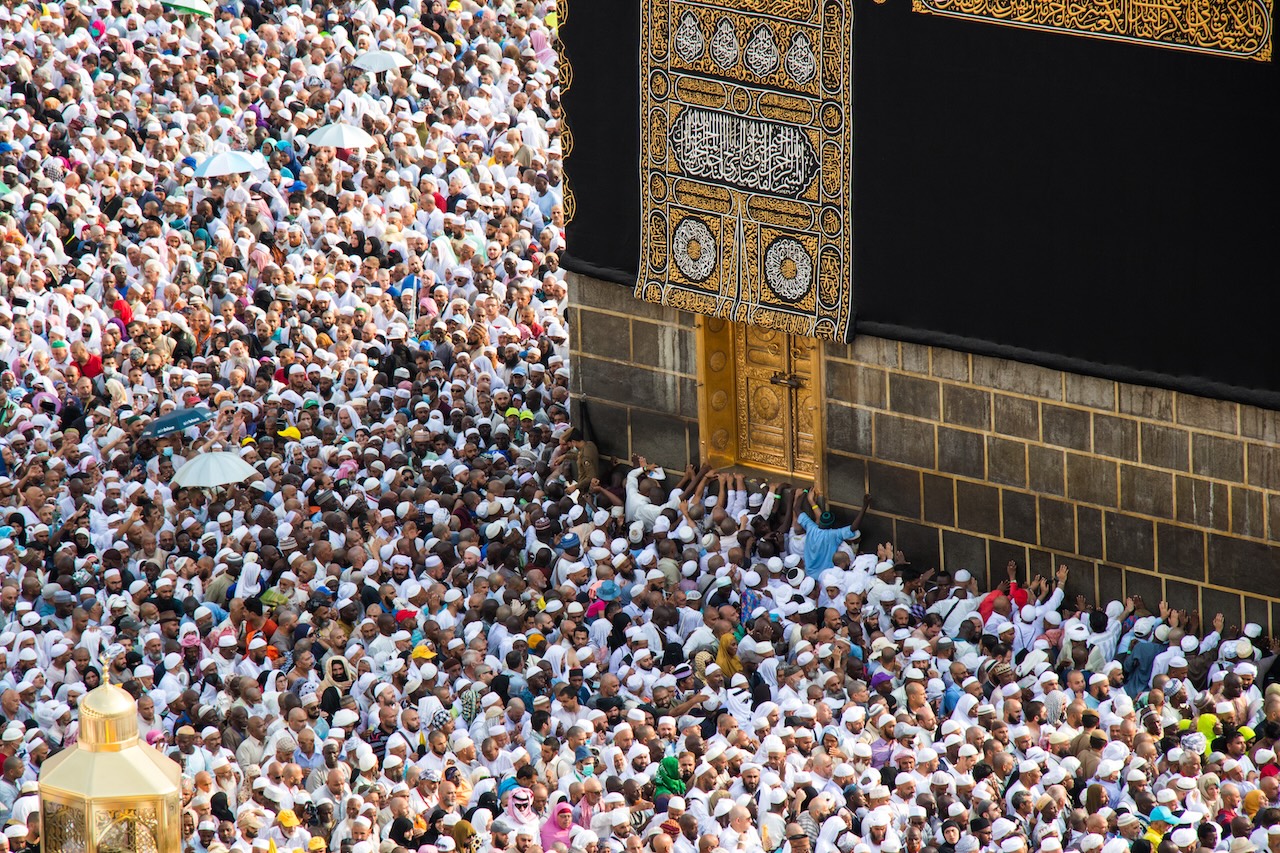
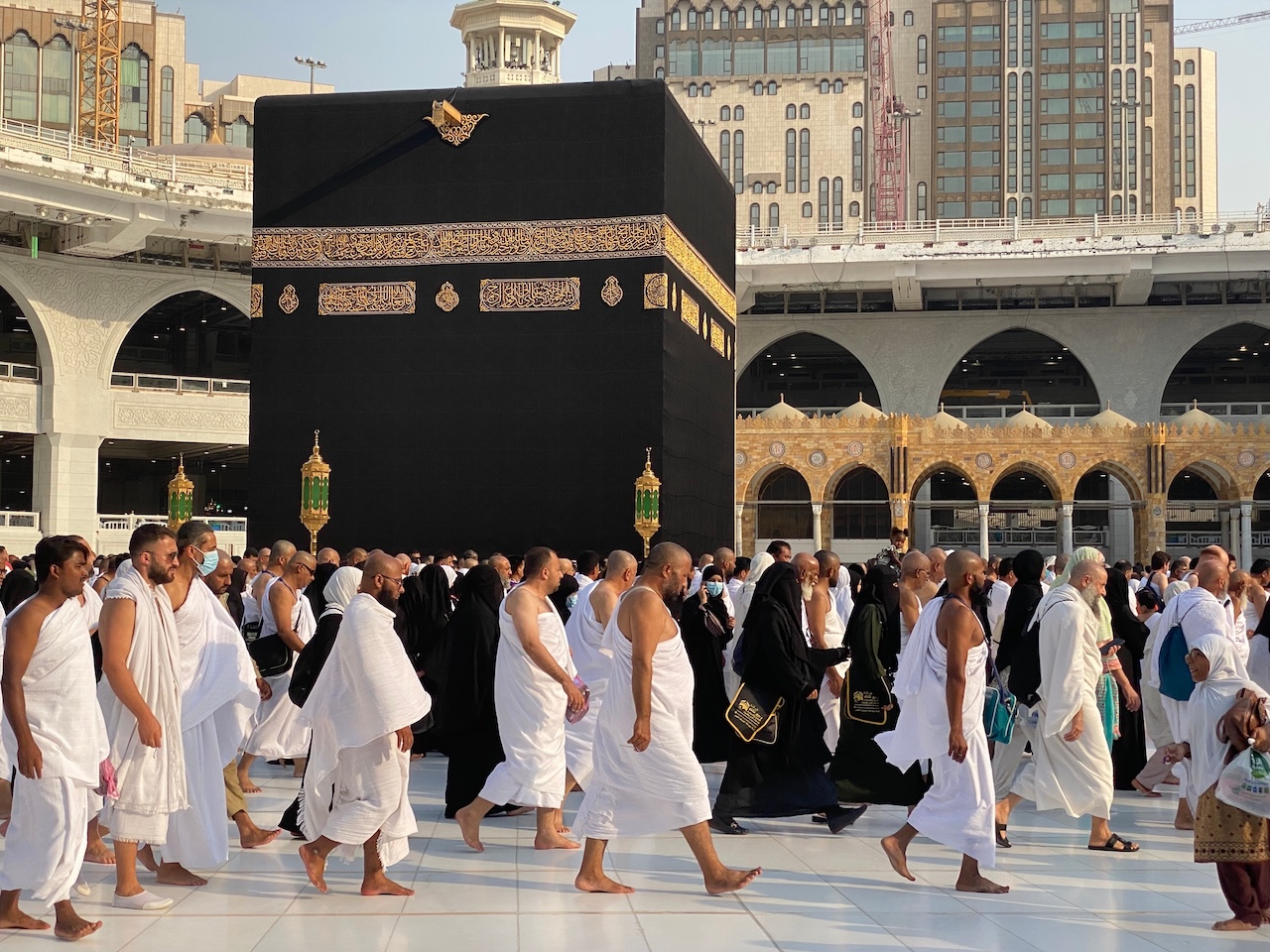
Reaching Makkah, the pilgrim performs the welcoming circumambulation. Seven circuits around the Kaaba, starting from the Black Stone, anticlockwise. Men walk briskly during the first three. Two rakats behind Maqam Ibrahim afterward. Then Zamzam.
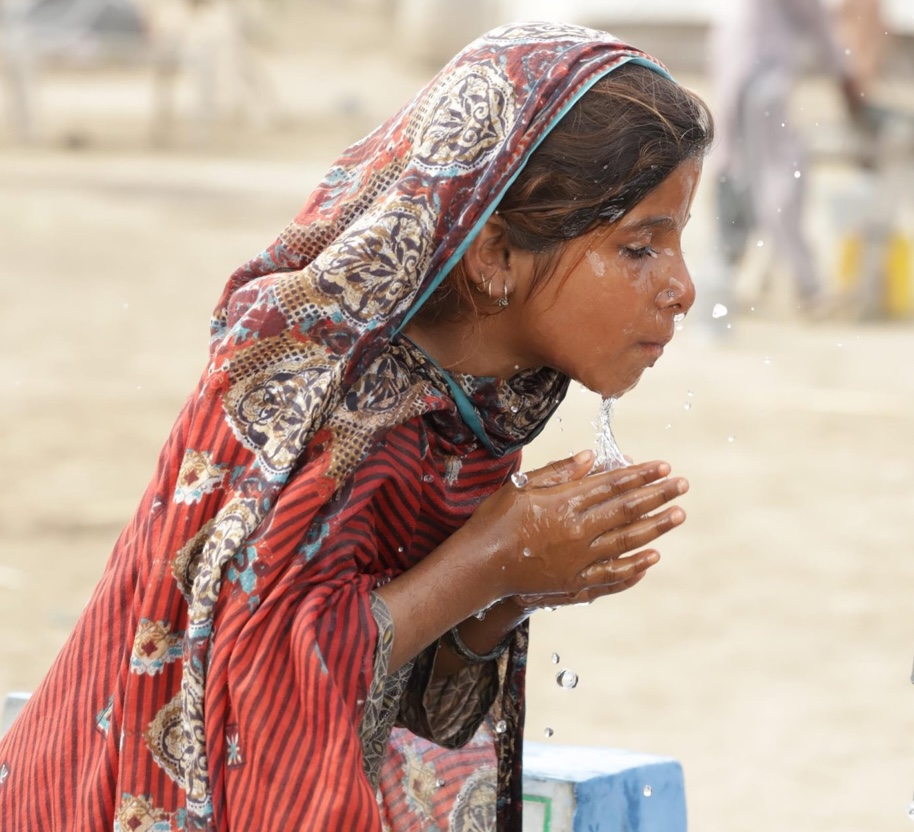
Sa'i follows. Walking between Safa and Marwa seven times, remembering how Hajar, the wife of Prophet Ibrahim, ran searching for water until Allah answered her with Zamzam. This pilgrimage ritual connects every pilgrim to her story.
Day of Arafah (9th Dhul Hijjah)
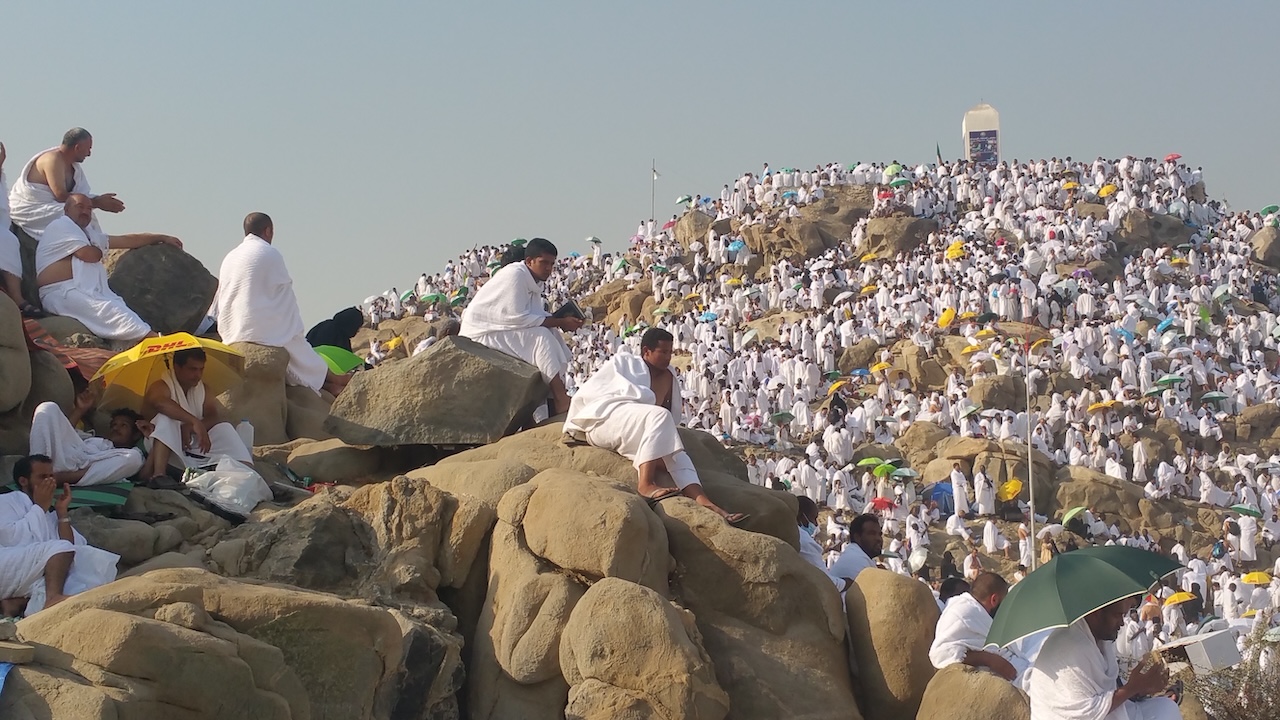
Heart of Hajj. Prophet (PBUH) said it plainly: Hajj is Arafat.
Morning of the 9th, pilgrims travel from Mina to the plain of Arafat. Dhuhr and Asr prayers combined and shortened. Then from midday until sunset, you stand on Arafat in prayer, supplication, remembrance of Allah. Scholars consider this the most accepted window for dua in the entire year. Personal prayers, prayers for family, for the ummah. Some pilgrims plan their dua lists weeks ahead. Others just speak from wherever they are in that moment. Both valid.
Missing this day invalidates Hajj entirely. Do not leave Arafat before sunset.
Muzdalifah Stay
After sunset on the 9th, pilgrims make the journey to Muzdalifah. Maghrib and Isha prayers combined there. Night spent under the open sky, remembering Allah. No tents. No walls. Earth and sky and millions of people on the ground. Before dawn, collect small pebbles for stoning. Elderly pilgrims may leave Muzdalifah after midnight.
Rami al-Jamarat
10th of Dhul Hijjah. Pilgrims return to Mina. Yawm al-Nahr, Day of Offering. First act: stoning the largest pillar (Jamarat al-Aqabah) with seven pebbles. Allahu Akbar with each throw. Talbiyah stops before the first pebble gets cast.
11th and 12th (optionally 13th), all three pillars stoned in order, seven pebbles each. Sequence cannot be changed. Stoning out of order invalidates the ritual for that day. Pilgrims spend these days in Mina, and the nights should be spent there too.
Qurbani (Sacrifice)
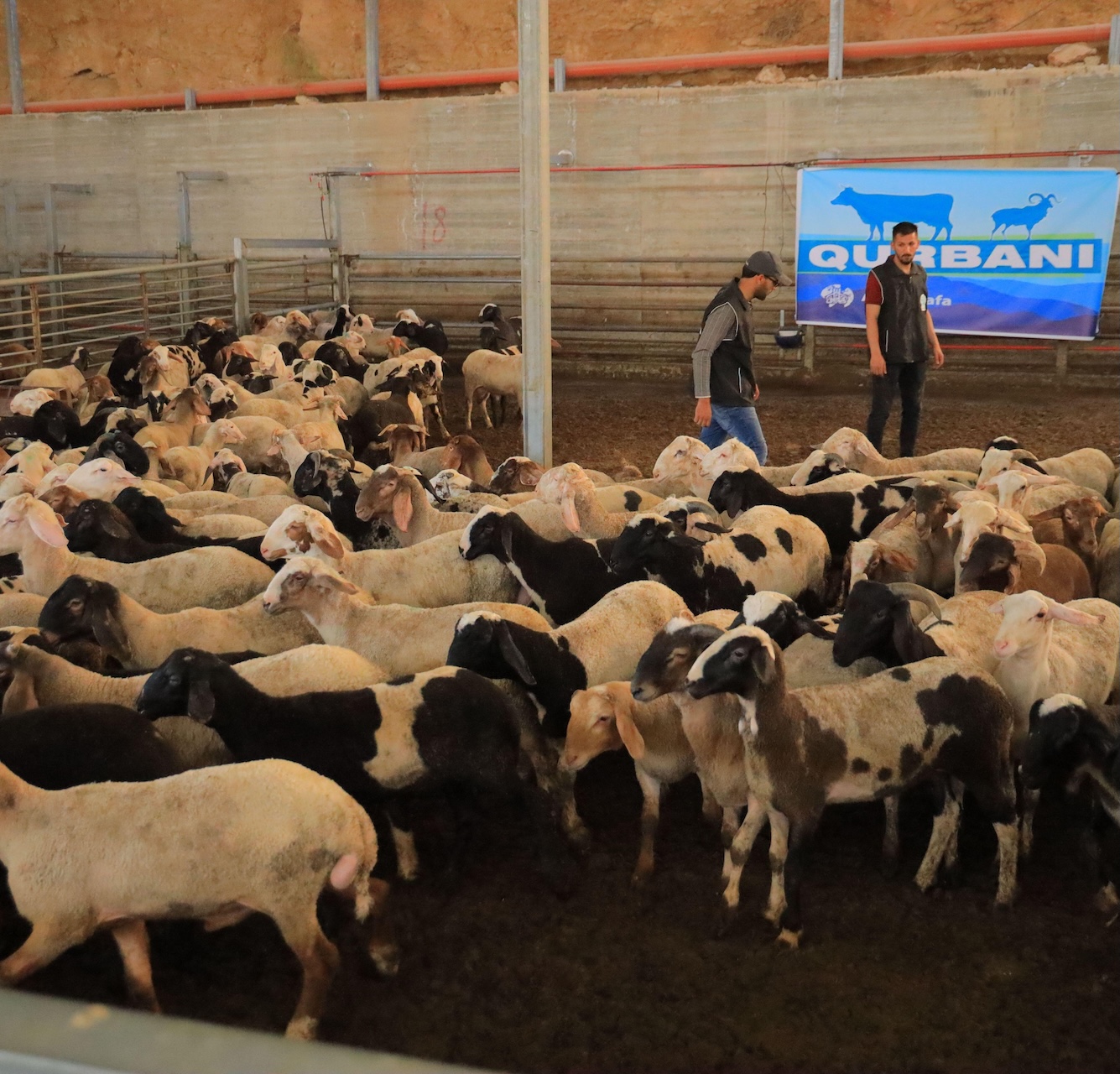
After stoning on the 10th, Qurbani happens. Sheep, goat, cow, or camel offered in the name of Allah.
Significance. Connects directly back to Prophet Ibrahim, who was prepared to give up his son before Allah replaced Ismail with a ram. Every pilgrim doing Hajj al-Tamattu or al-Qiran carries this obligation. Lots of pilgrims have the sacrifice arranged through their hajj packages.
Sunnah method. Animal laid gently on its left side, facing the Qibla. Sharp knife. Bismillahi Allahu Akbar recited. Meat distributed in portions: for the pilgrim, for others, for the poor.