If you are not on Hajj
None of this needs Makkah to reach you. Most Muslims across the glob will spend the day at home, and to them the Prophet ﷺ gave one simple way in. Fast, he said.
Fasting on the day
For anyone not on Hajj, fasting the ninth of Dhul Hijjah is highly recommended, and the reward is hard to overlook. The beloved Prophet Muhammad ﷺ said that fasting this single day:
"Expiates for the past and coming years."
Source: Sahih Muslim
One day of hunger and in return, the sins of the year gone and the year to come are washed clean. Few acts hand back so much for so little. It is not obligatory, but to let the day slip past without it would be a real loss. Giving charity on this day is also highly encouraged due to the multiplication of rewards.
What about the pilgrims?
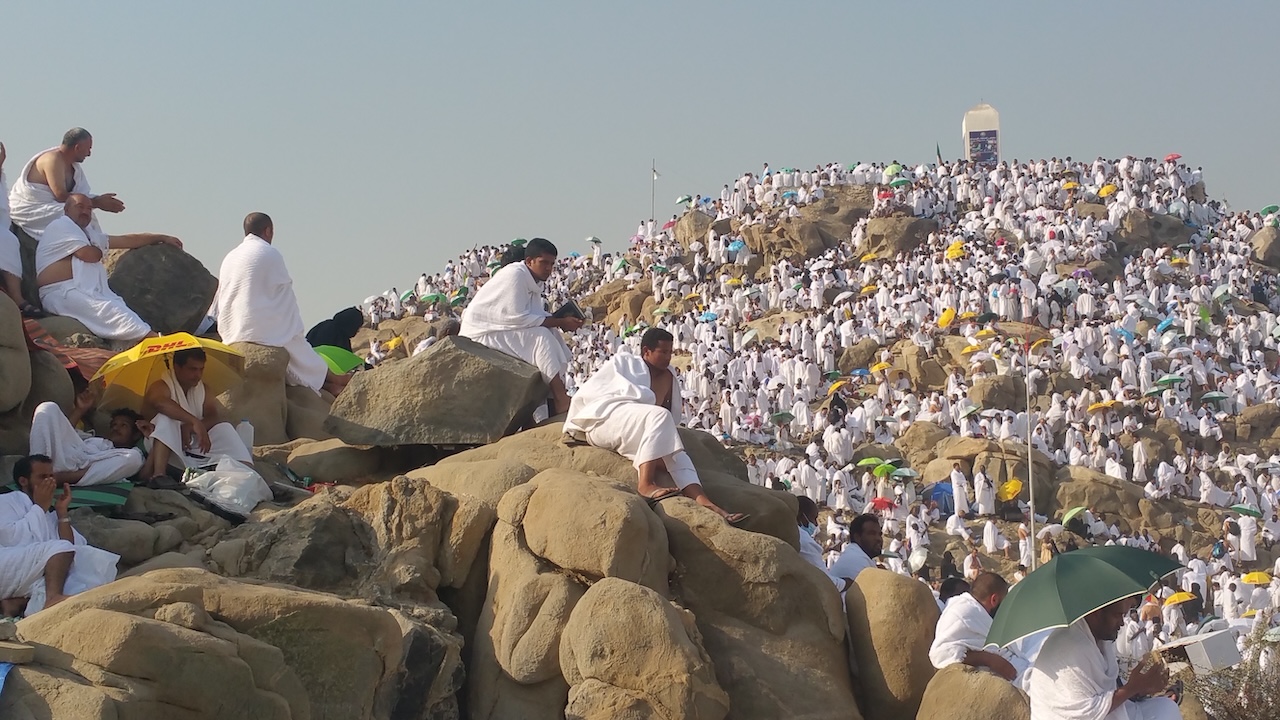
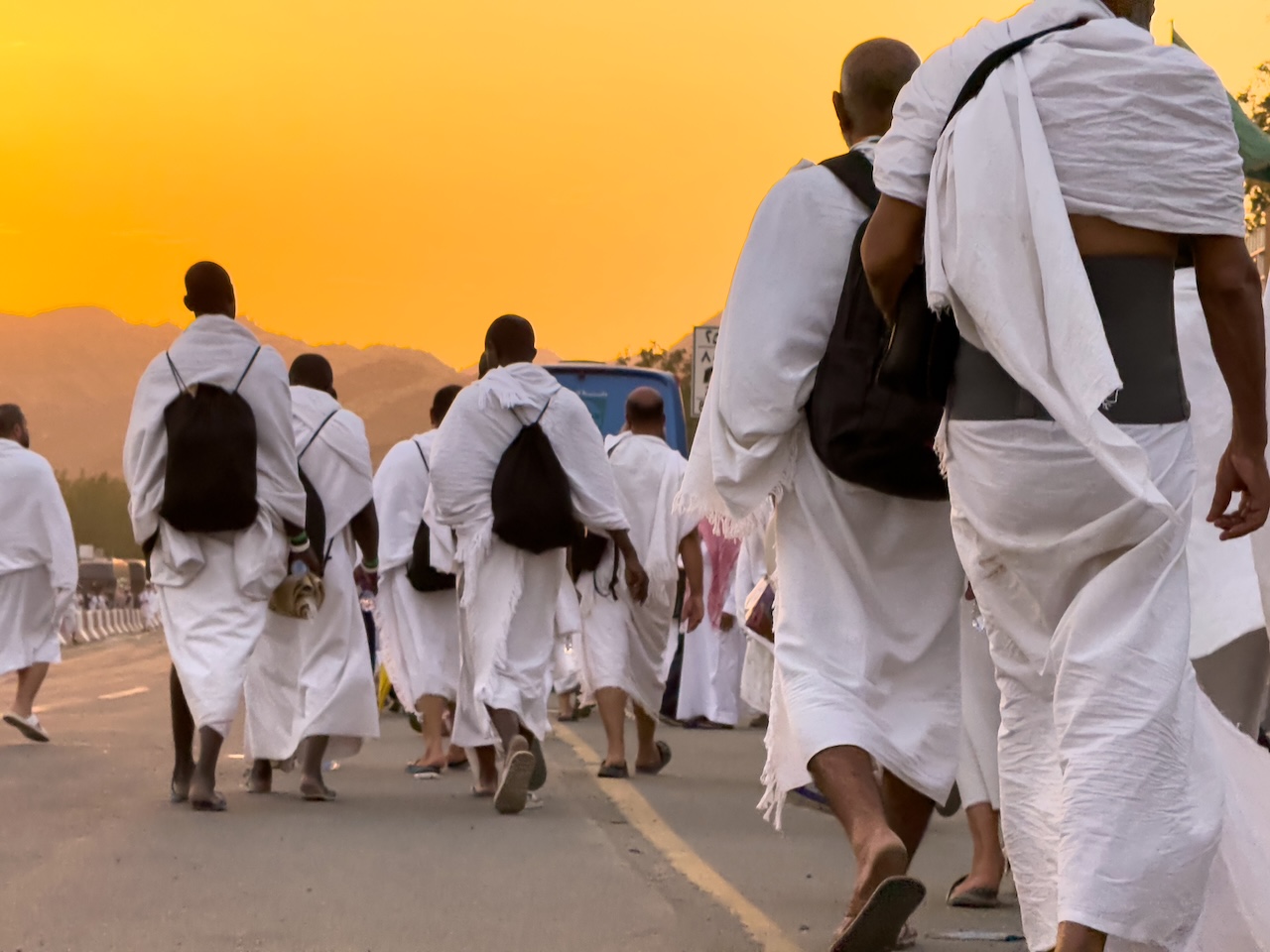
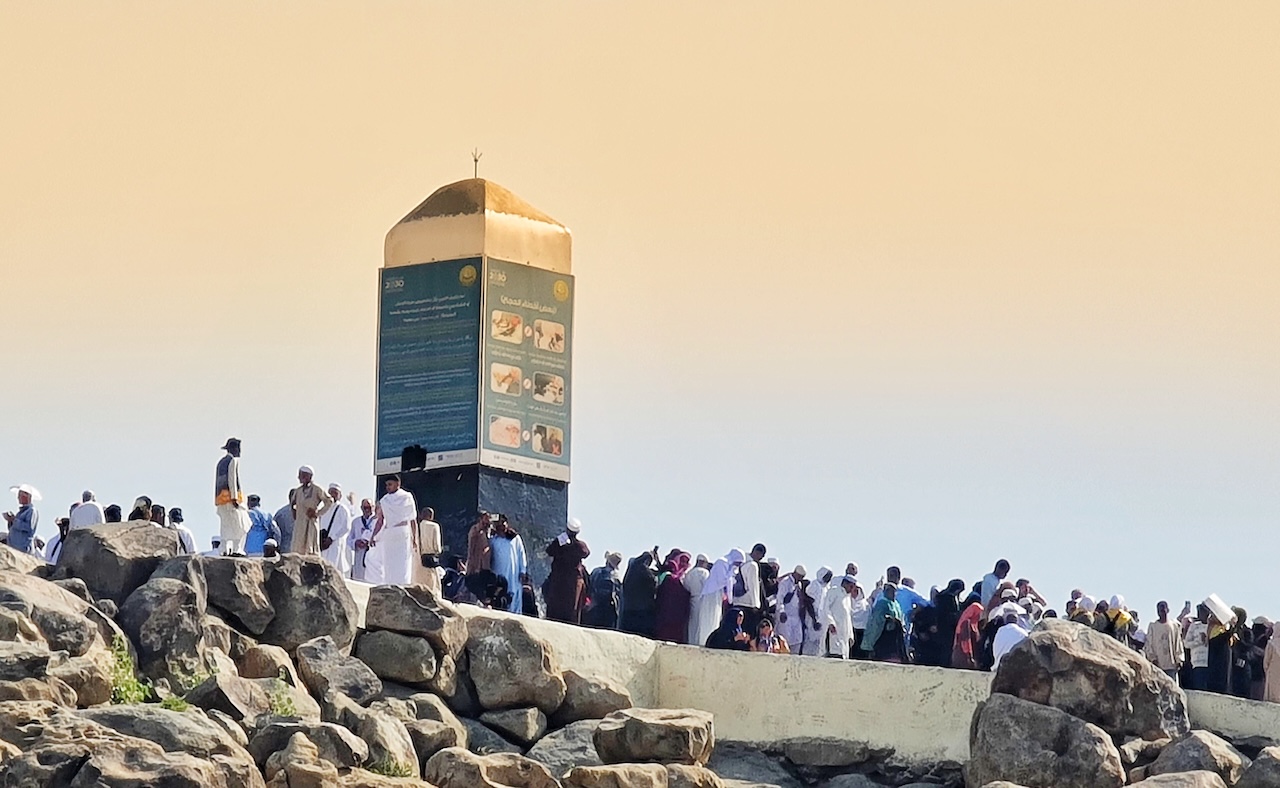
They do not fast, the travellers and pilgrim standing on Arafat must conserve their energy for standing all day and du'aa and so the fast is cancelled for the pilgrims standing on Arafat, and the du'aa precedes it. It is for us that remain home to fast on that day.
Making dua
The supplication of this day was called the best there is by the Prophet ﷺ:
"The best supplication is the supplication on the Day of Arafah."
Source: Tirmidhi
And he taught the best words to say:
Laa ilaaha ill-Allahu wahdahu laa shareeka lah, lahul-mulku wa lahul-hamdu wa huwa 'alaa kulli shay'in qadeer
("None has the right to be worshipped except Allah alone, without partner. To Him belongs all sovereignty and praise, and He is over all things omnipotent.")
Fill the day with dhikr. It is Sunnah to repeat the Tahleel (Laa ilaaha il-lal-laah), the Takbeer (Allahu Akbar) and the Tahmeed (Alhamdulillaah) often. Make heartfelt dua for yourself, for your loved ones, for Muslims everywhere, and lean hardest into it between Dhuhr and Maghrib, the hours when Allah is closest to His servants. The pious predecessors used this day to seek forgiveness for the year gone by and good for the year ahead. Look back honestly at where you fell short. Then resolve to do better.